June 2014: To Darwin By Dirt - Darling River Run

This story was published in the April 2015 Issue of 4WD Touring Australia. This is the first part of a 3 month journey from Sydney to Darwin and back. To read a full account of the trip and view photos and videos go to To Darwin By Dirt.
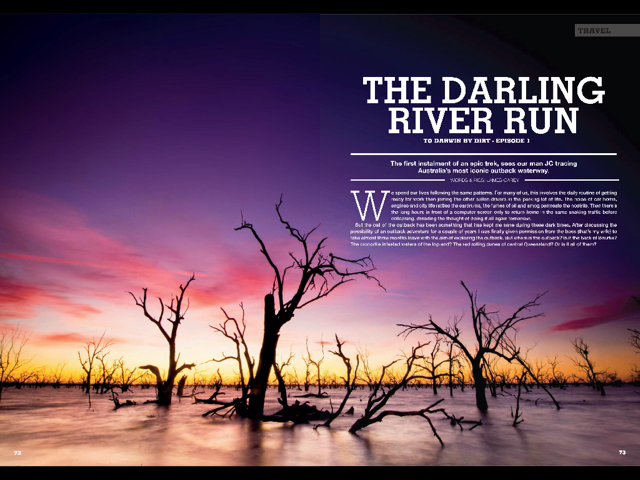
We spend our lives following the same patterns.  For some of us it involves the daily routine of getting ready for work then joining the other sullen drivers in the parking lot of life.  The noise of car horns, engines and city life rattling the ear drums, the fumes of oil and smog permeating the nostrils.  Then the long hours in front of a computer screen only to return home in the same snaking traffic before collapsing, dreading the thought of doing it all again tomorrow.

But the call of the outback has been something that has kept me sane during these dark times. After discussing the possibility of an outback adventure for a couple of years I was finally given permission from the boss (that’s my wife) to take almost three months leave with the aim of exploring the outback. But where is the outback?  Is it the back of Burke? The crocodile infested waters of the top end? The red rolling dunes of central Queensland? Or was it all of them?

Pulling out a map, a line was sketched out taking me from Sydney out to Bourke and then the Darling River Run to Menindee.  From here it was to track north from Yunta through to the Gammon Ranges and then on to the Oodnadatta and the Old Ghan.  Taking a closer look at the map, West McDonald ranges and Uluru were added before continuing north to Kakadu and Litchfiled NP.  Unfortunately time dictated that I could not join the fortunate few that have decided to circumnavigate this expansive red continent so a course southwards was needed.  So a path across the Savannah Way to Lawn Hill NP then down to Birdsville and Innaminka before making the journey home was finally settled on. In total over 13,000km and 2 million corrugations was mapped out.

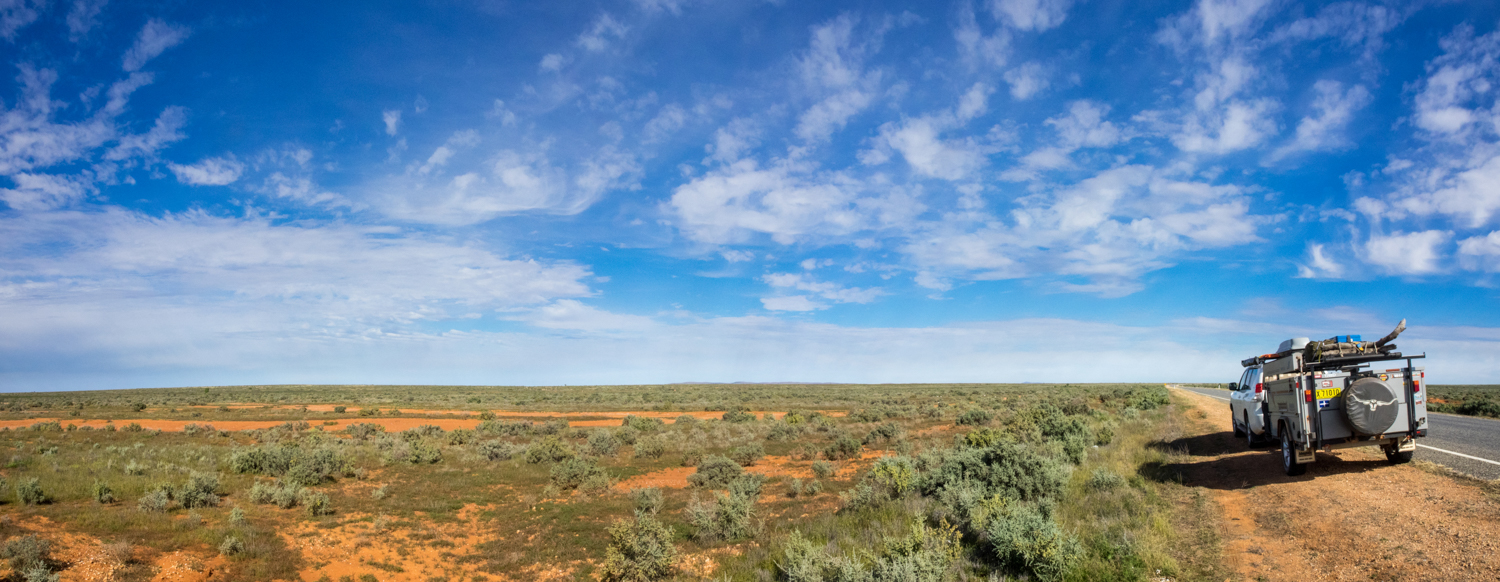
The outback gods must have been on my side as the first part of the trip following the Darling River was to be a solo adventure before meeting up with family and friends on later parts of the journey. Rollling along the long straight 300km stretch of road from Naromine to Burke the steering wheel only moved twice giving me time to contemplate the adventure ahead. 
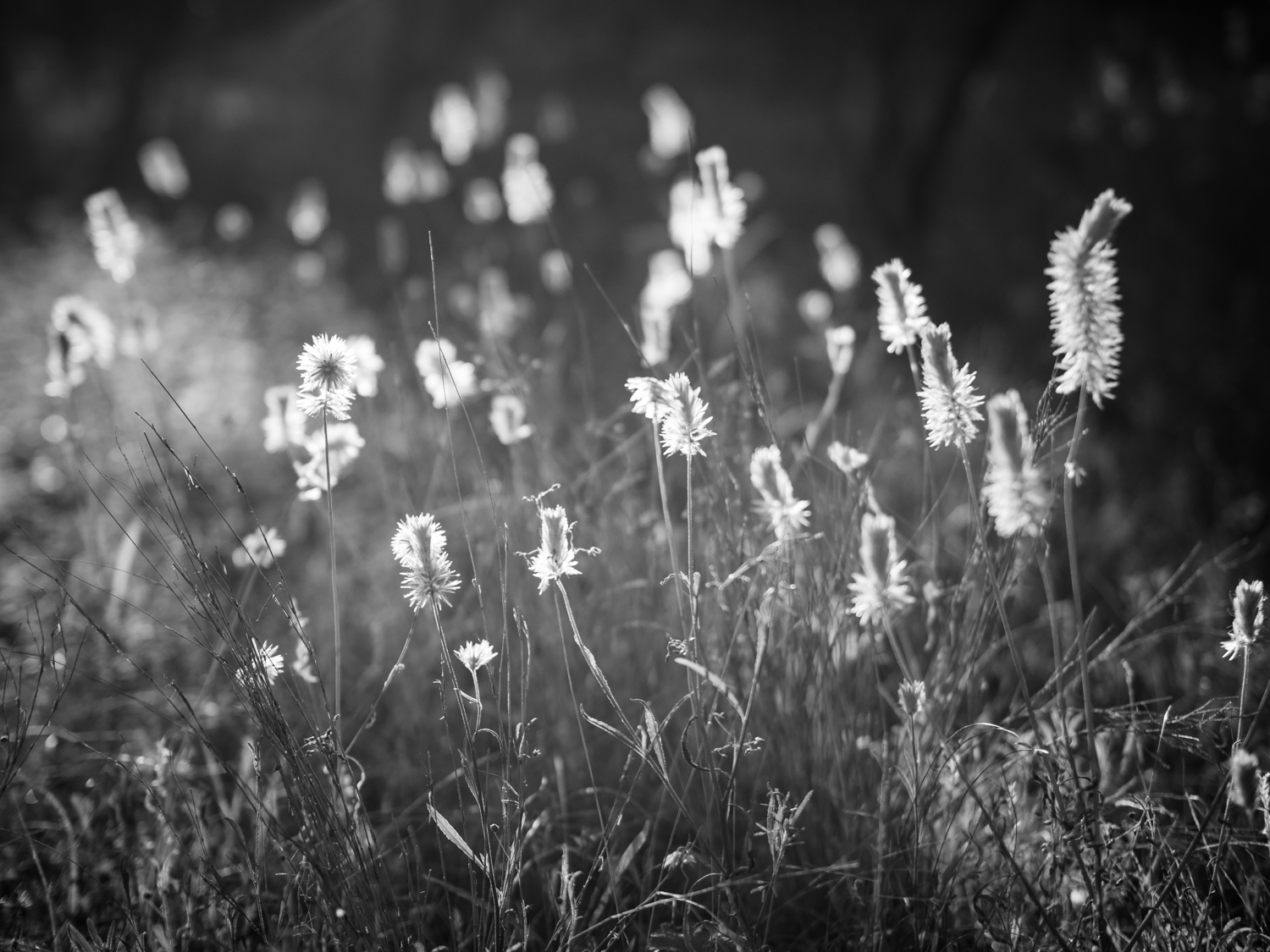
What I knew is that the Outback is a place of opposites.  It is both a place of vast flat nothingness to rugged terecotta red gorges and mountain ranges.  It is the single Sturt's Desert Pea that clings to life against the drought and the sea of wild flowers after the rains. It is a place where the flies descend by the thousands or the lone wedge tail eagle soars skyward.  It is where the gibber stones shimmer in the 45 deg heat and the morning frost clings to the Mitchell grass following a freezing night. It is the dry Todd river bed flanked by river red gums and the rushing Darling river engorged by flood waters. It is the raucus galahs and corellas drinking in the waterholes and the endless quiet of the desert.
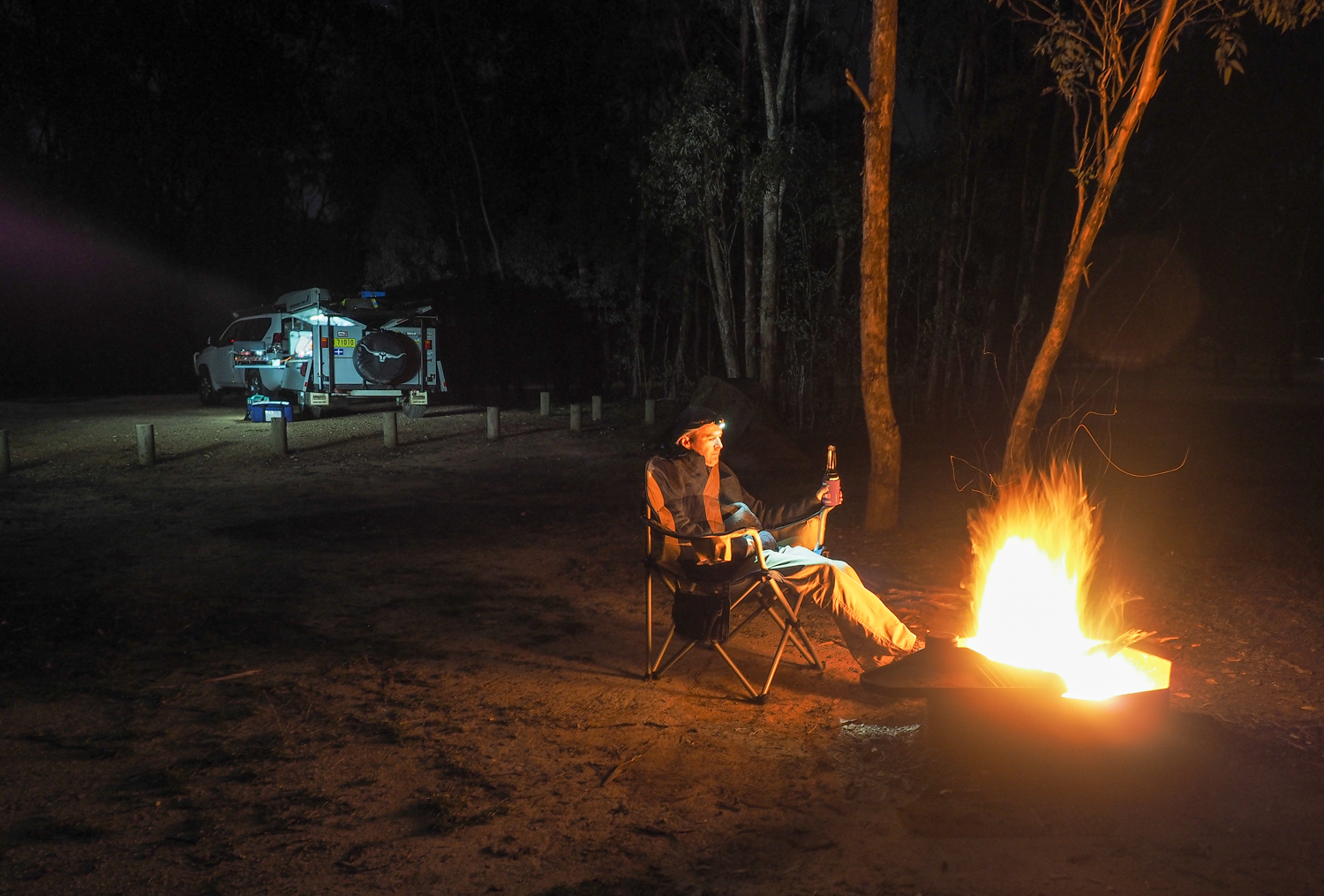
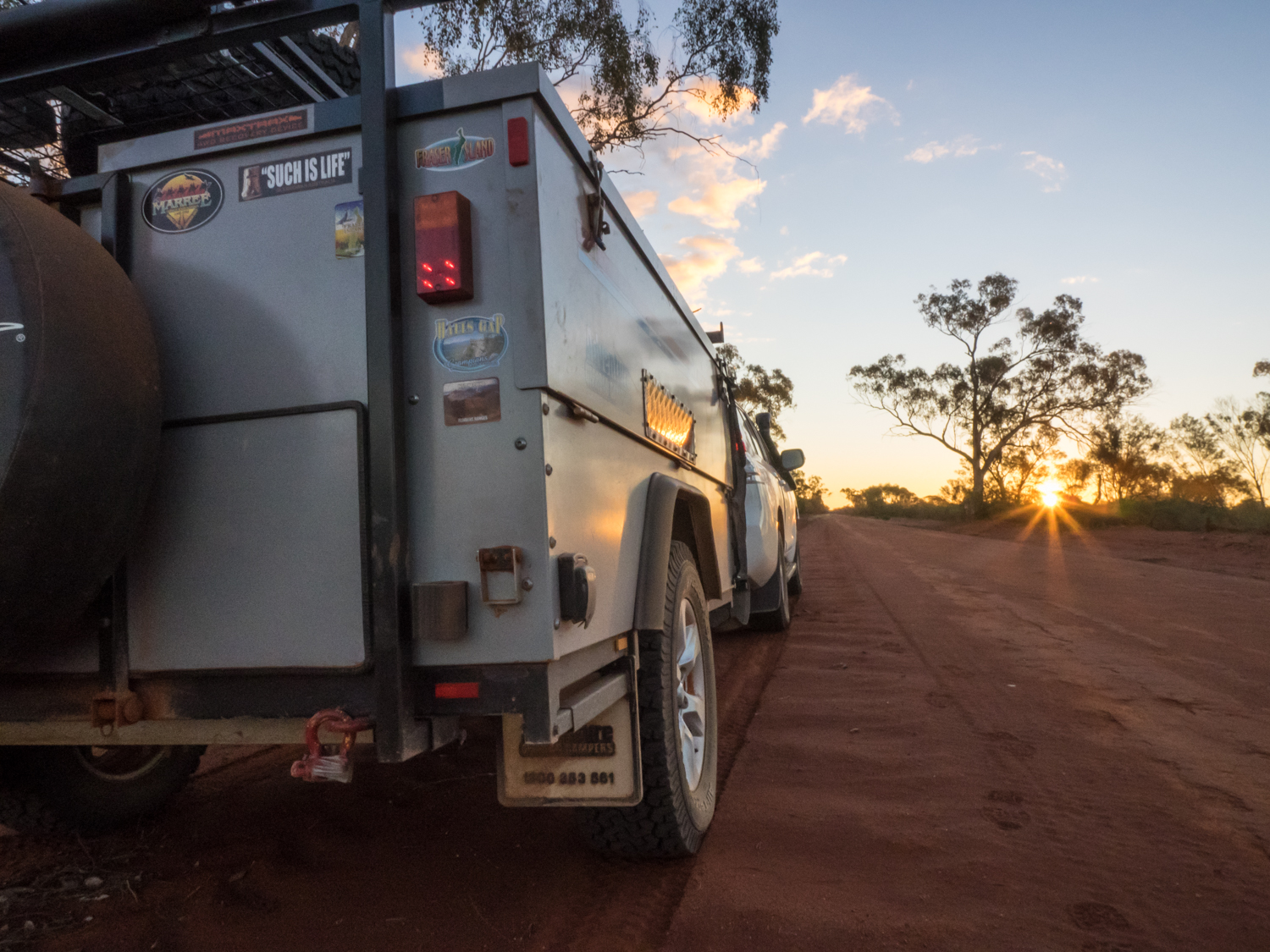
But as beautiful as this can be, the outback can also be extremely unforgiving. There are numerous stories of people venturing in to the outback unprepared such as the 36-year-old German Kim Hardt who became bogged at Lake Disappointment with ten litres of beer and a packet of bikkies to survive. Having spent two years planning for the trip I hoped my own fate would not be as dramatic.

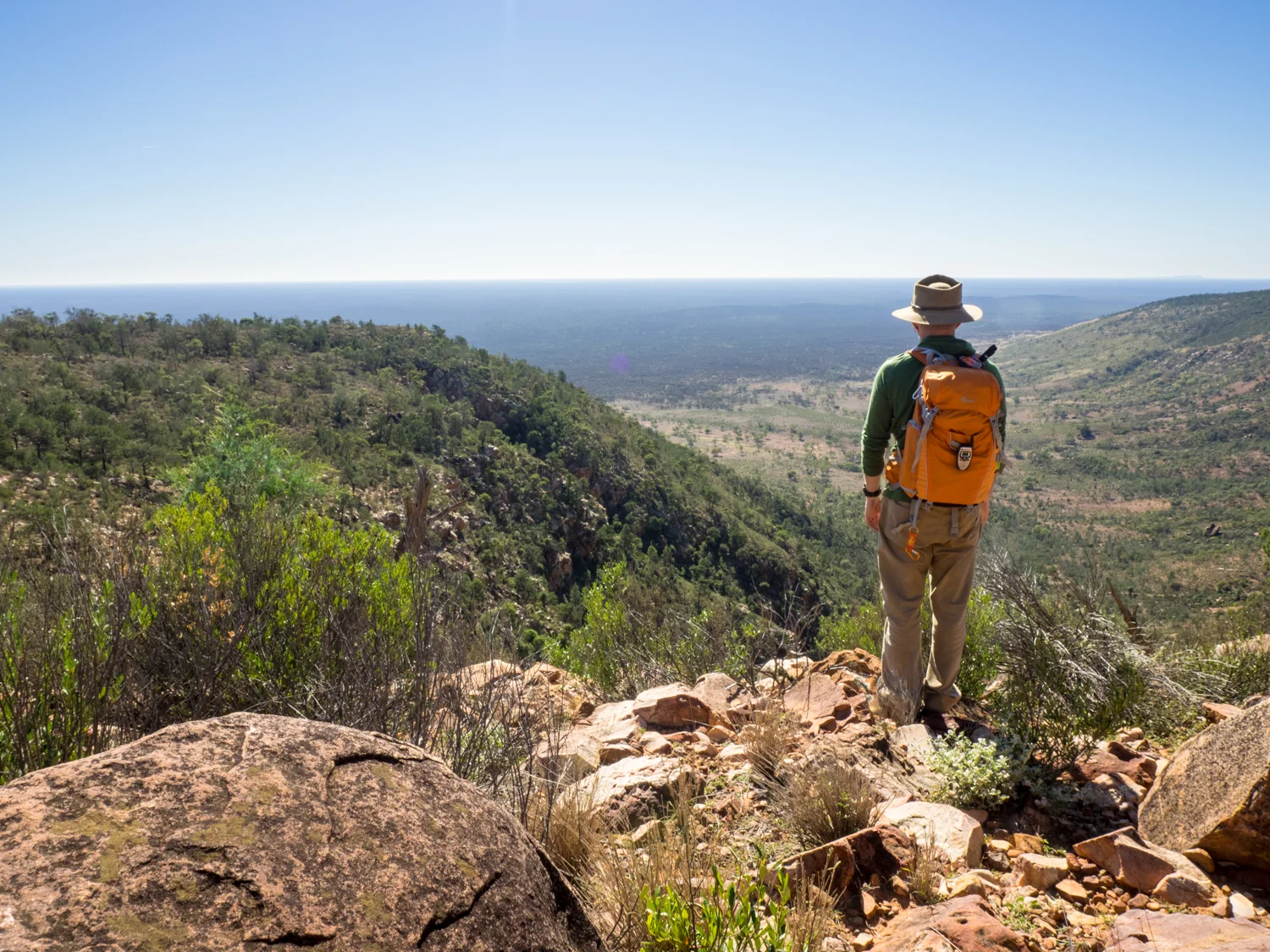
My thoughts were brought back to present as Mount Gunderbooka began to rise out of the expansive floodplain forming a magnificent escarpment that is of great significance to the local Ngemba Aboriginal people.  Leaving the Kidman Highway, Gundabooka National Park is a great spot to stop and experience the feeling of isolation that only an outback travel can provide.  Having set up camp at Dry Tank campground it is a short drive to Bennett’s Gorge and the beginning of the "Valley of the Eagle" walk.  The first 1km is an easy stroll along a well maintained path to the base of Mount Gunderbooka.  From here it is a more strenuous 2 hour climb to the 500m summit as the track weaves its way higher climbing over rocky red boulders and rock scree, past mulga thickets and through the white cypress pine and western bloodwoods. From the top I looked out over the parched plains and watched the eagles as they glided on the rising eddies looking for lunch.  The last sign of another traveller was a hundred km away making the climb both rewarding and a reminder of how remote this land is.
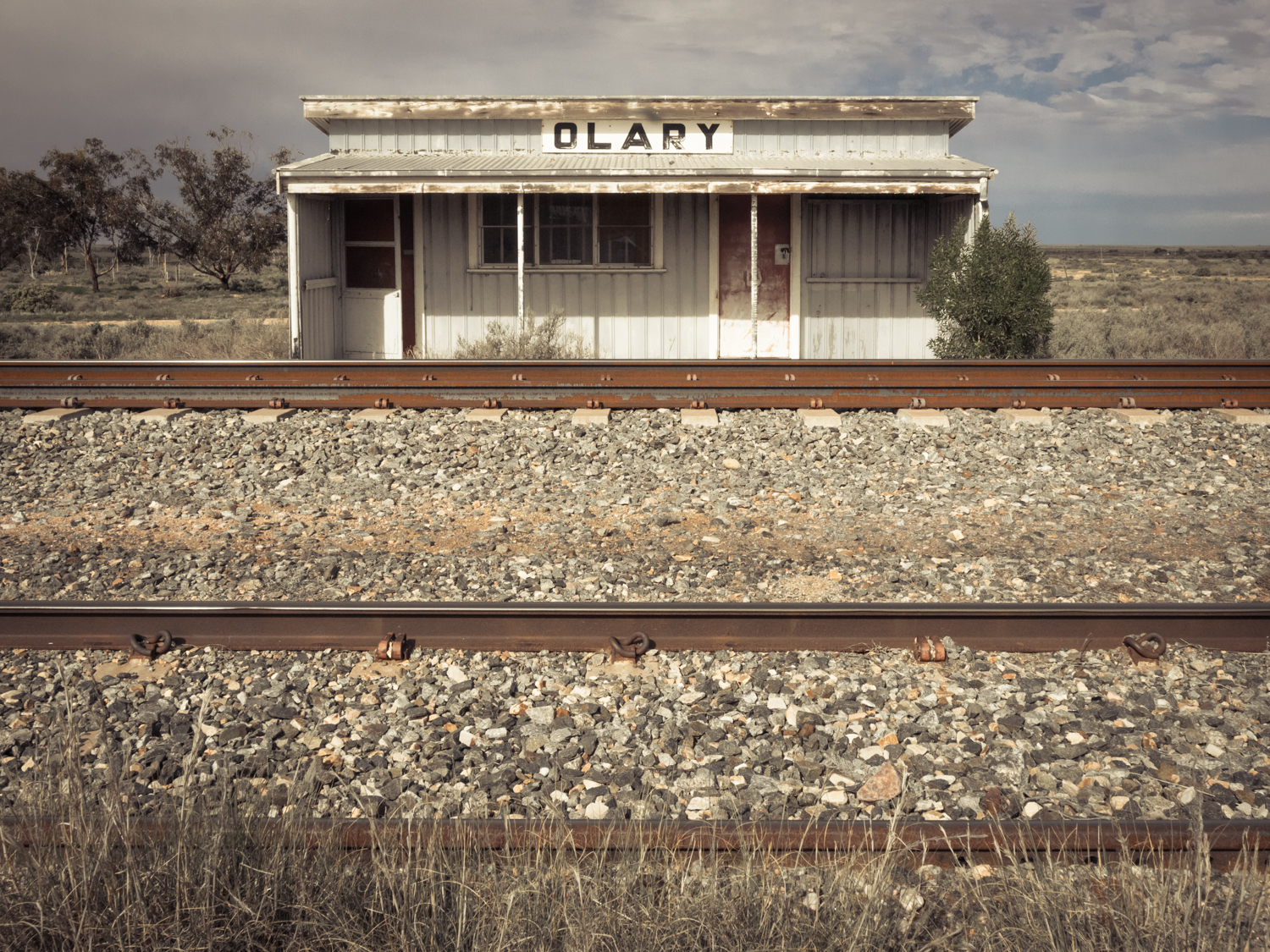
While a side trip to go on the paddle steamer PV Jandra  from Bourke is a possibility, the desire to find a dirt track was calling.  Affectionately known as the Darling River Run the track follows a section of the 2,740km long Darling River.  Just as the river slowly meanders through the heart of NSW, my journey was to meander from Bourke, Louthe, Tilpa, Wilcannia, and Menindee before leaving the river to continue on its journey as I made my way west to Broken hill.

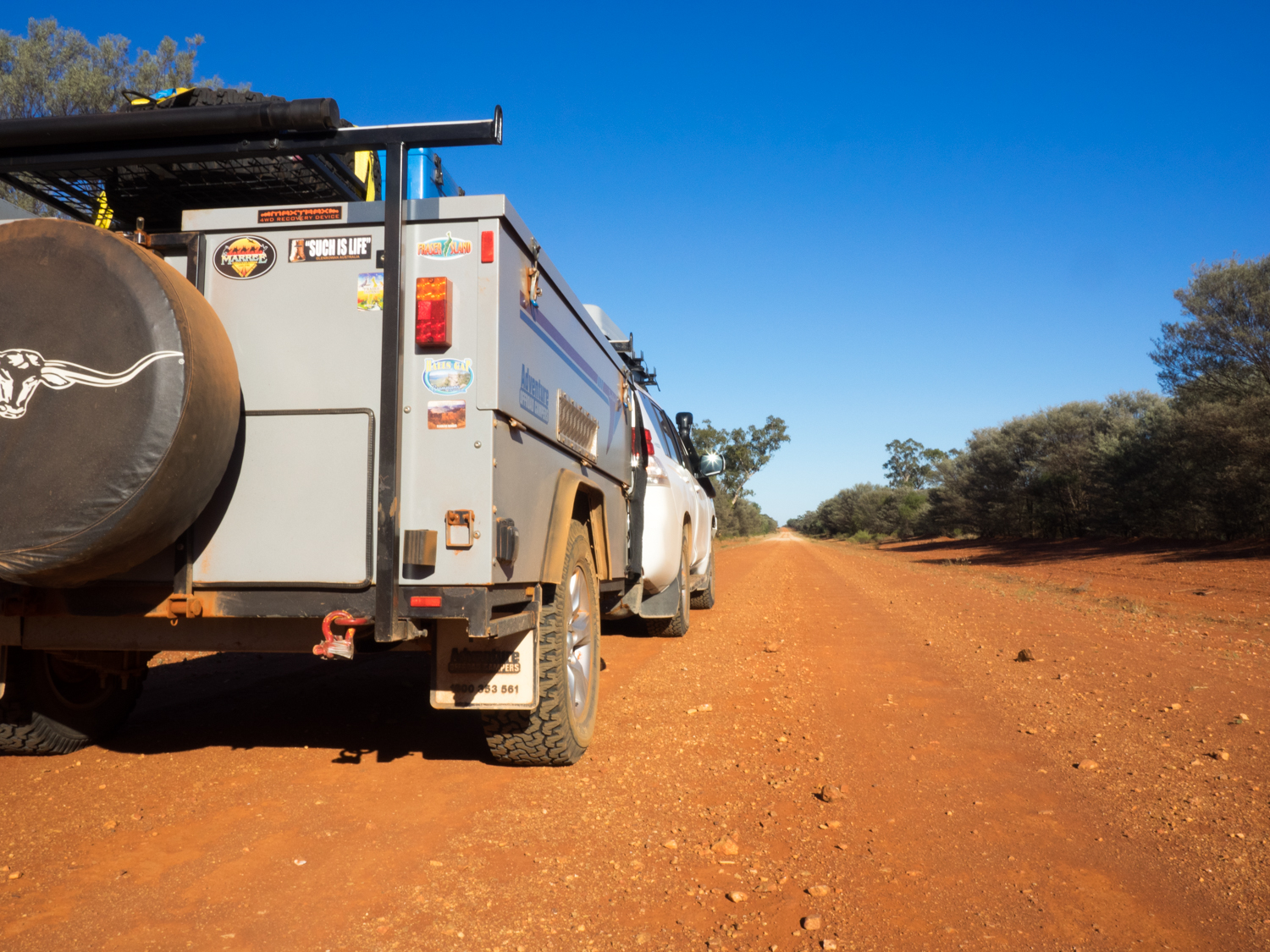
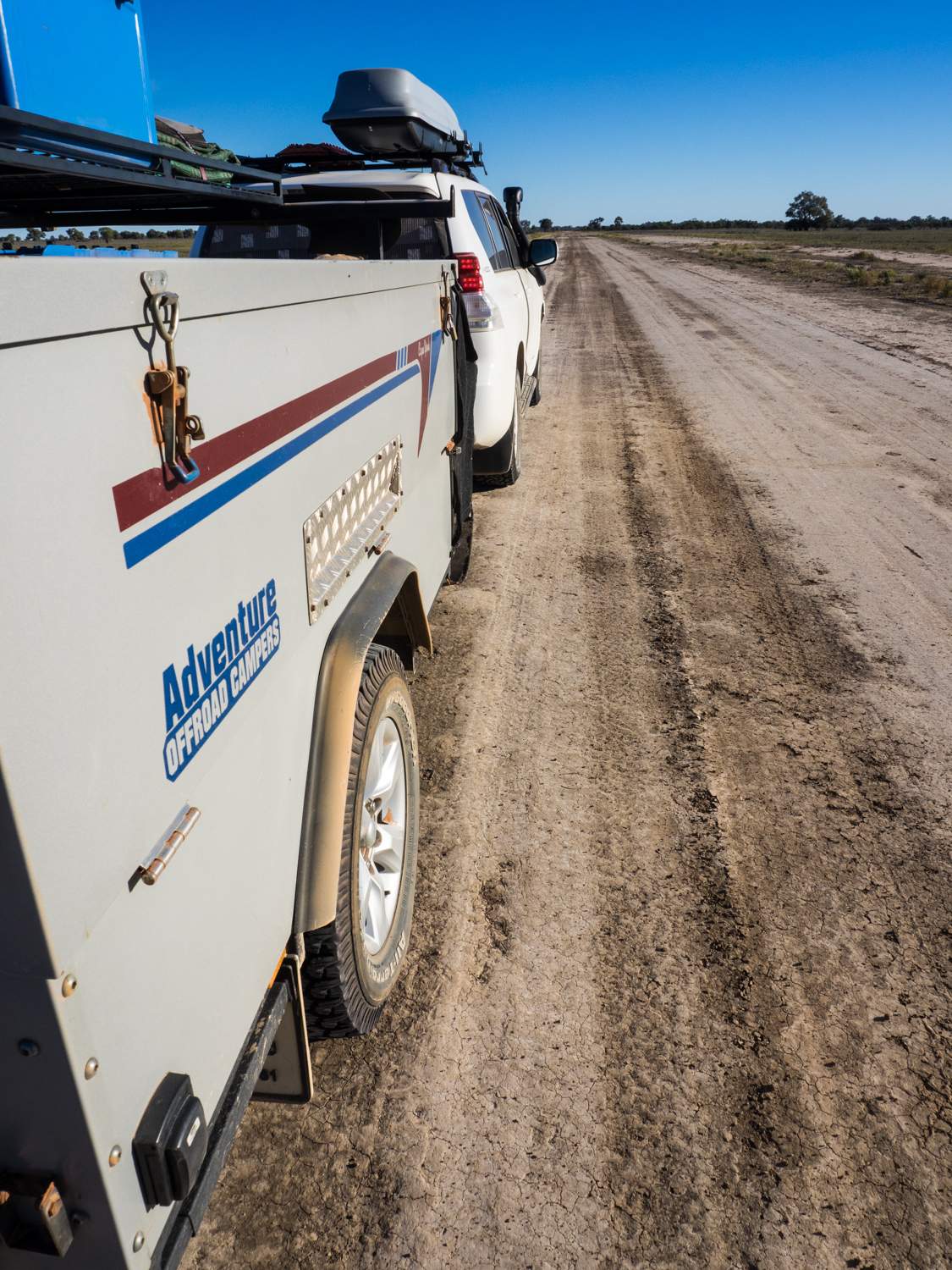
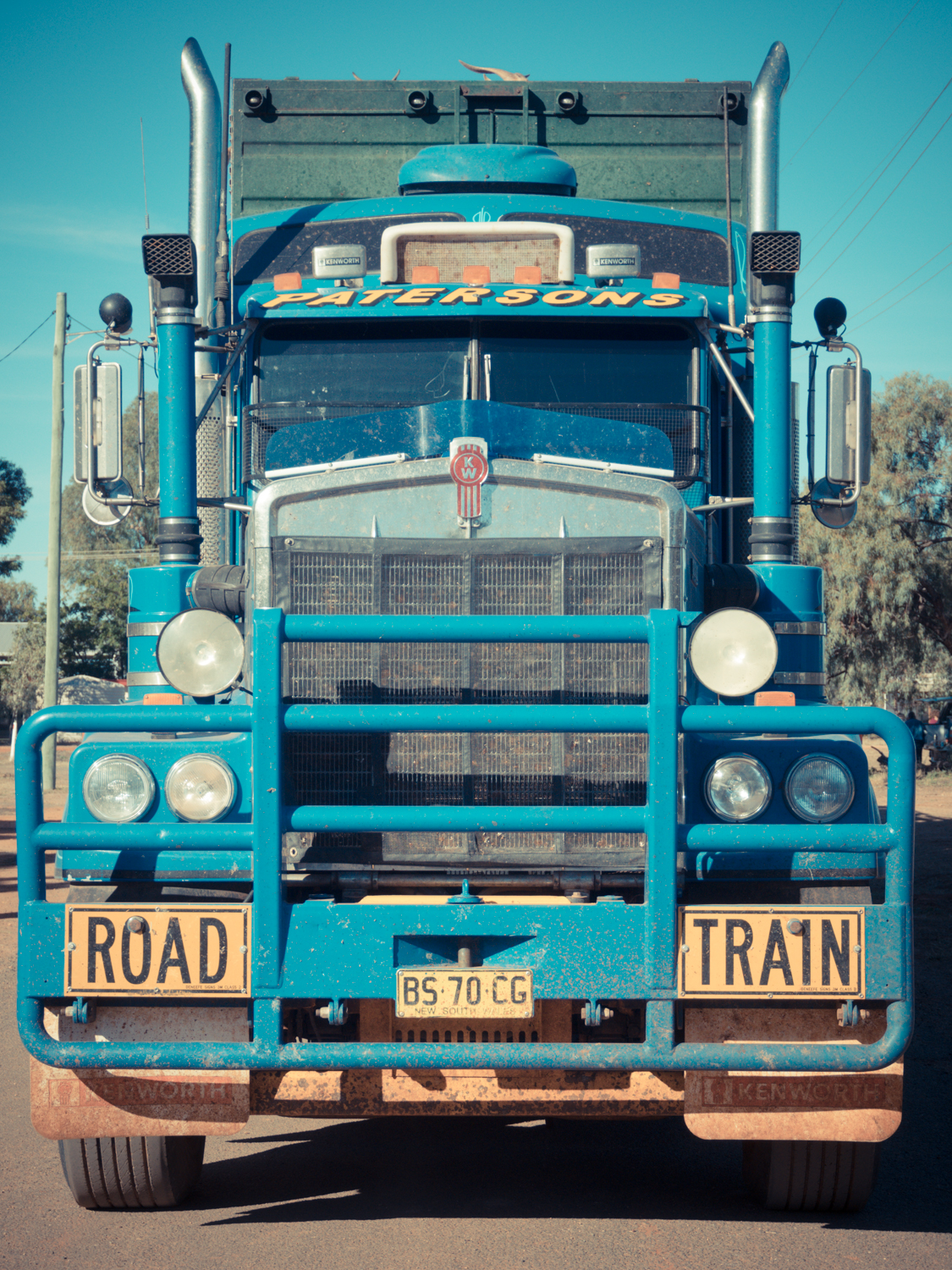
The road from Bourke to Louthe is an easy drive suitable for 2WD when its dry.  But like the other opposites of the outback,  it only takes a sprinkling of rain to turn these tracks in to a rutted slippery, impassable barrier.  Luckily for me the rains of last week that brought life to this parched land had subsided enough to get through.  
The other liquid that parches the thirst in the outback is that found in the many unique pubs that provide both a watering hole and gathering place to the locals and weary travellers.  ‘A place that loved a drink, a party and a punt…’ so wrote Henry Lawson about Louth, a small town with a population of 30ish (you never can be precise in these small places).  And the place they now come to drink is Shindy’s Inn, a pub with eclectic memorabilia adorning its walls telling stories of past explorers who paved the way for European settlement along the Barwon-Darling River. 

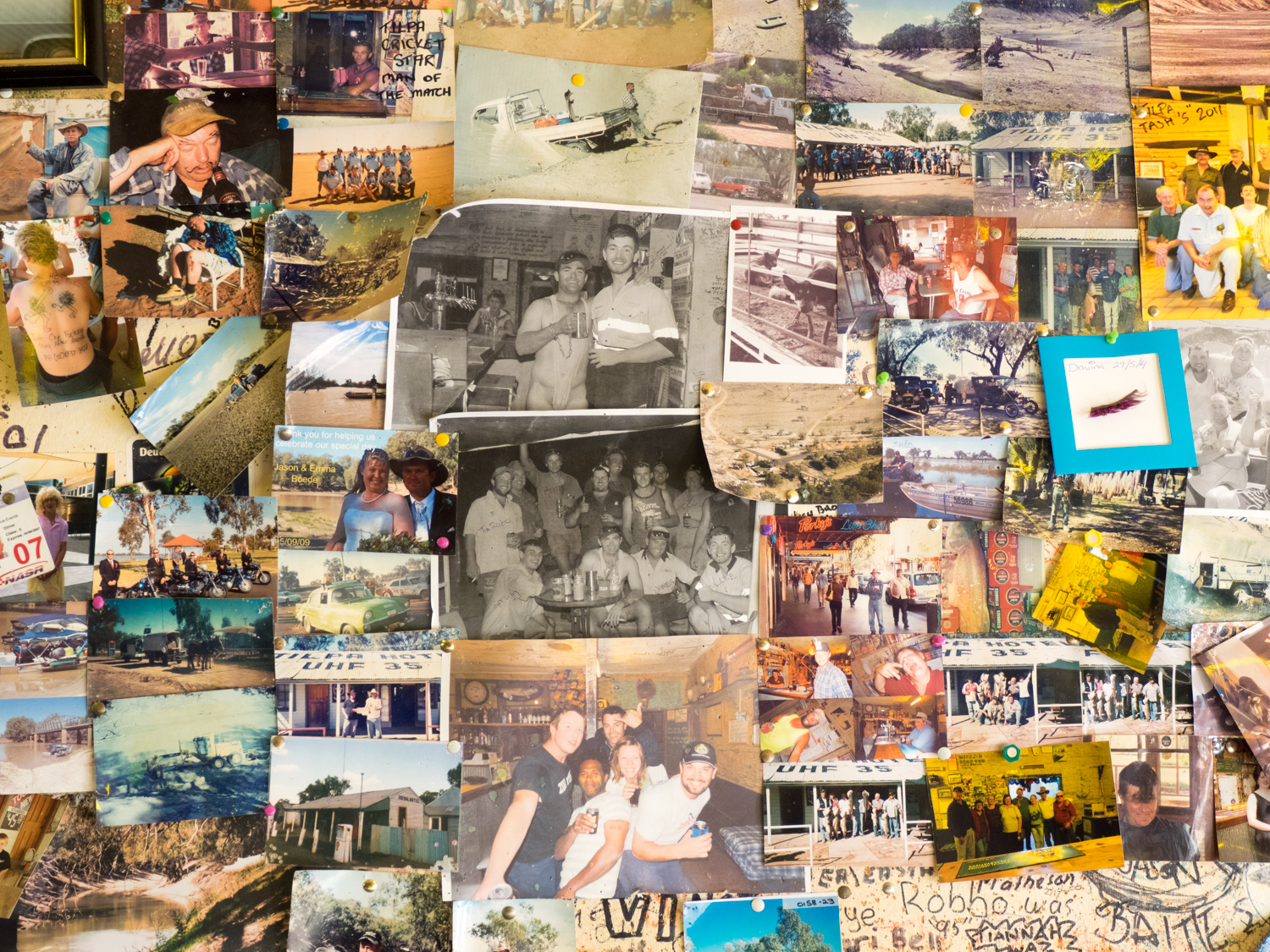
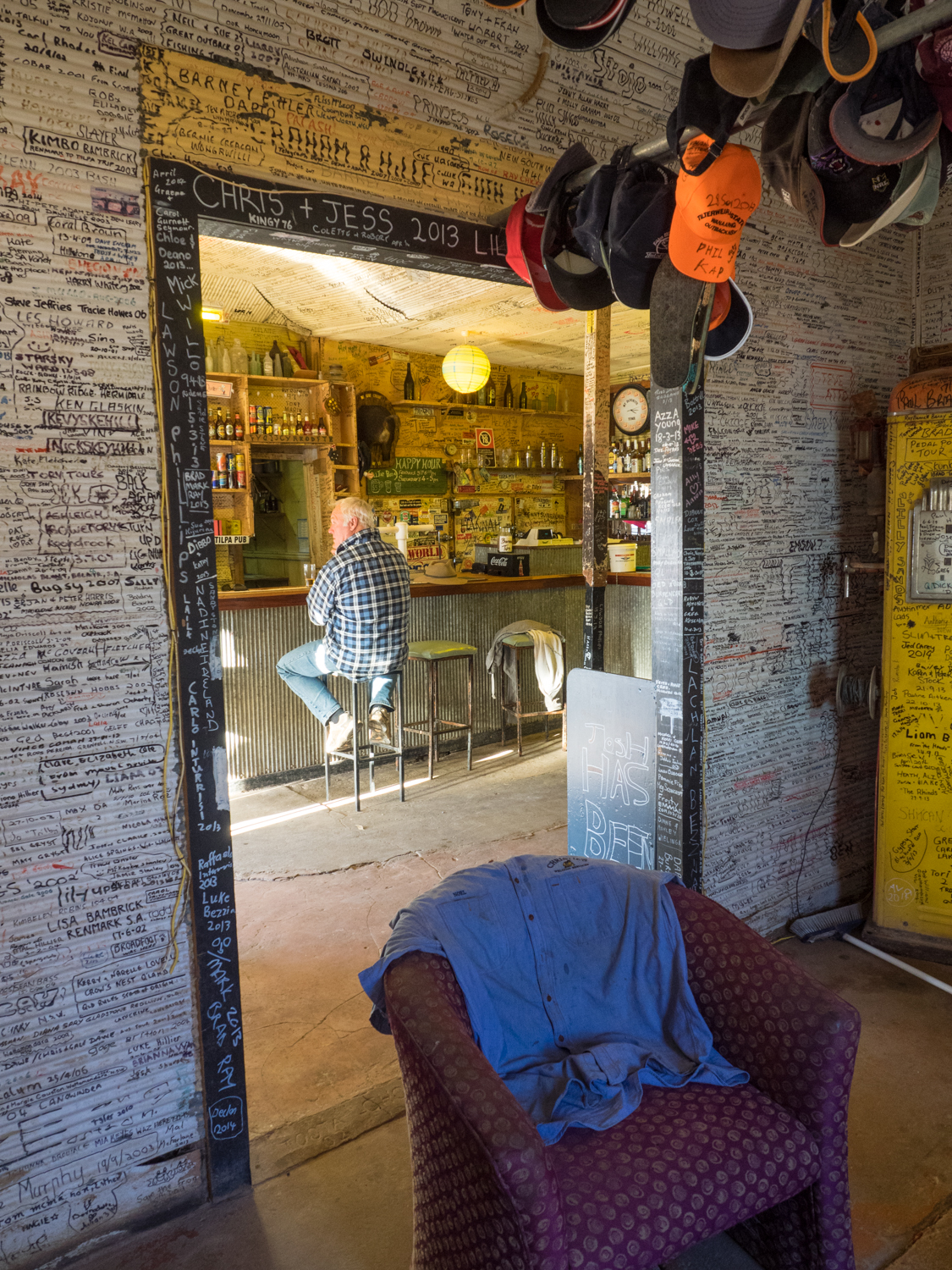
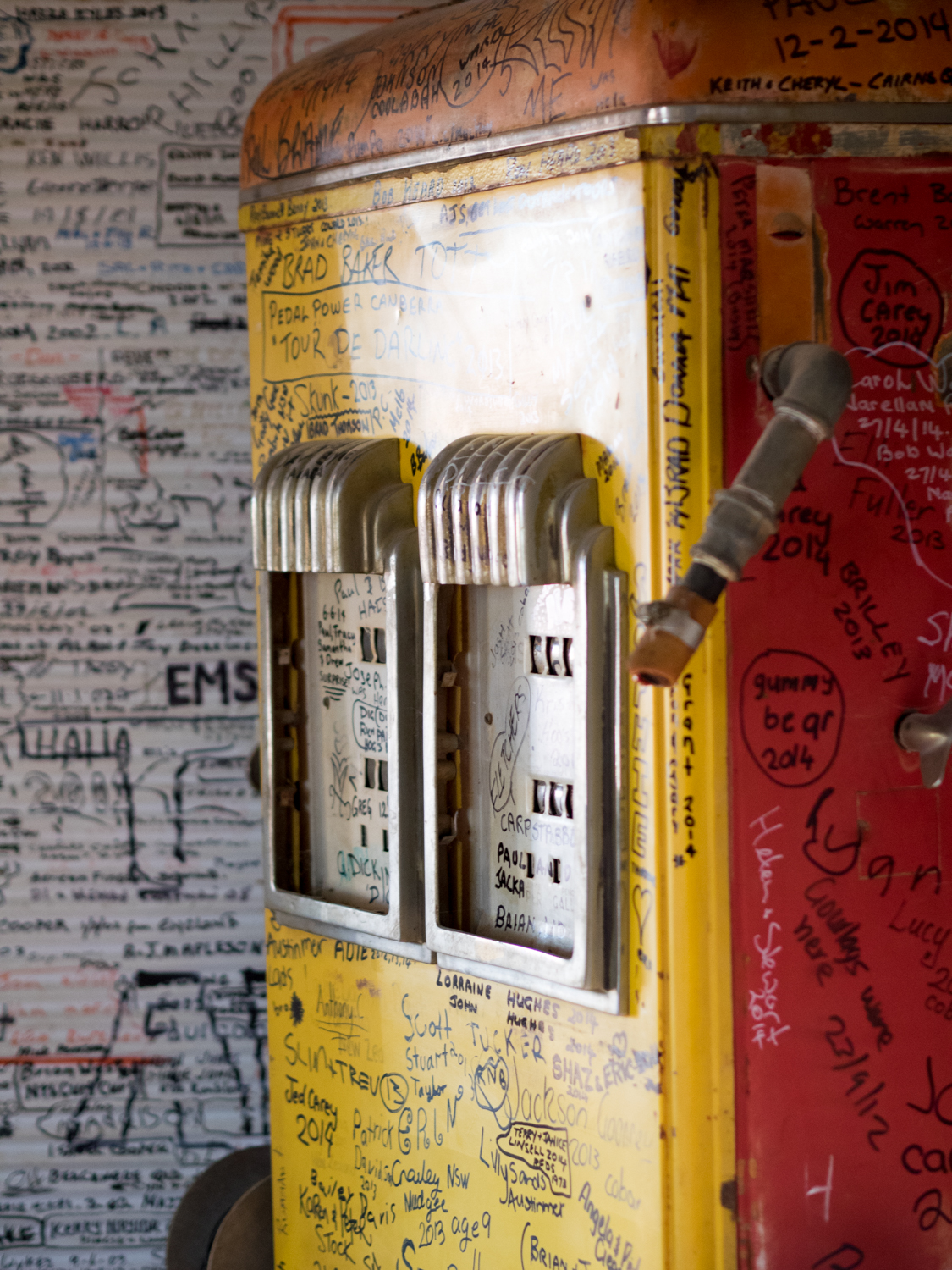
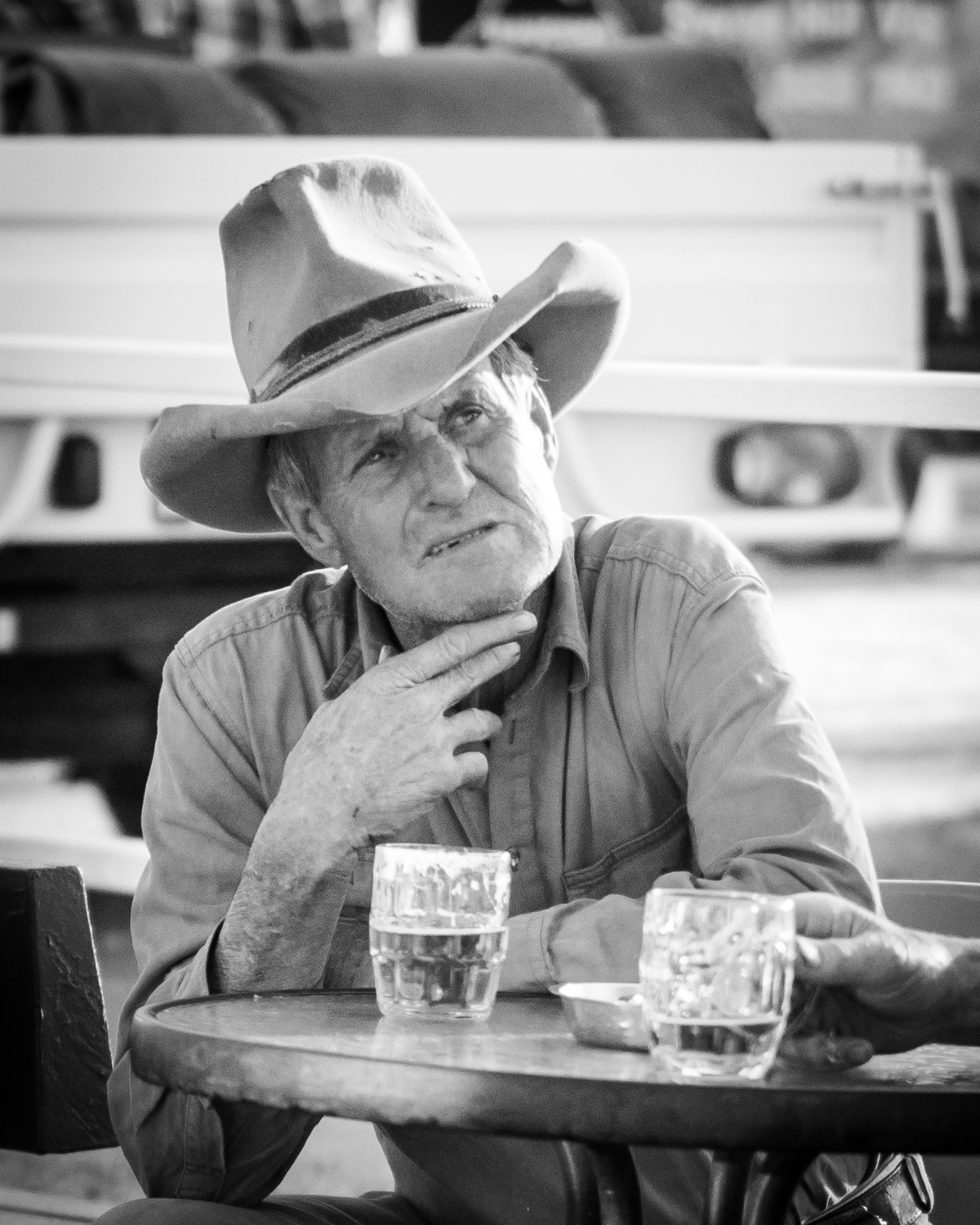
Following the flow of the Darling a further 80ish km (you never can be precise travelling the outback) you come to Tilpa, one of those iconic locations that appears as an oasis to the travelling shearer (or me).  Consisting of a pub, 3 shacks and 2 sheep, there is little more to this place but its character typifies everything to me about the outback.  The 100 year old Tilpa Hotel with “UHF 35” painted on its corrugated iron roof, signals the passing traveller to call in.   Out the front two elderly bushies chat, their faces shaded by bush hats that had enough history to tell 100 stories. Under the porch a wiry cattle dog sat waiting for its owner who was in side having one last cold beer before returning to the station.  Like Shindy’s Inn, the walls of the pub are decorated with memorabilia, but more impressive are the thousands of names and other graffiti written on every surface from locals, travellers and misfits who have ventured past its doors. I am sure if the wiry cattle dog did not move it would have someone's name scrawled on it in no time.
While the clutches of the pub tried to keep me there for one more beer, the sun was setting and I needed to find somewhere to camp before I had to play lotto with the numerous cows, goats or wild pigs on the road. 
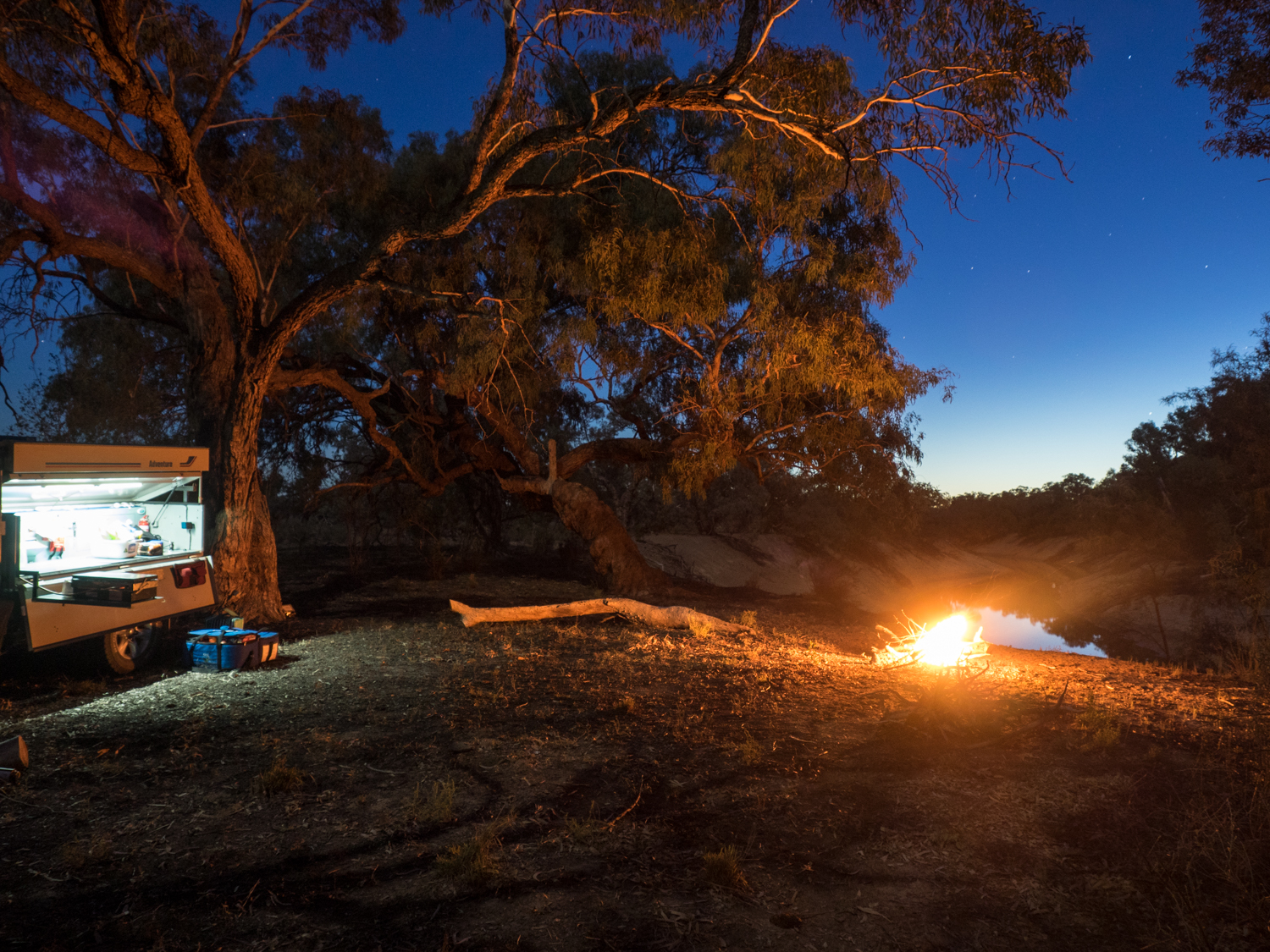
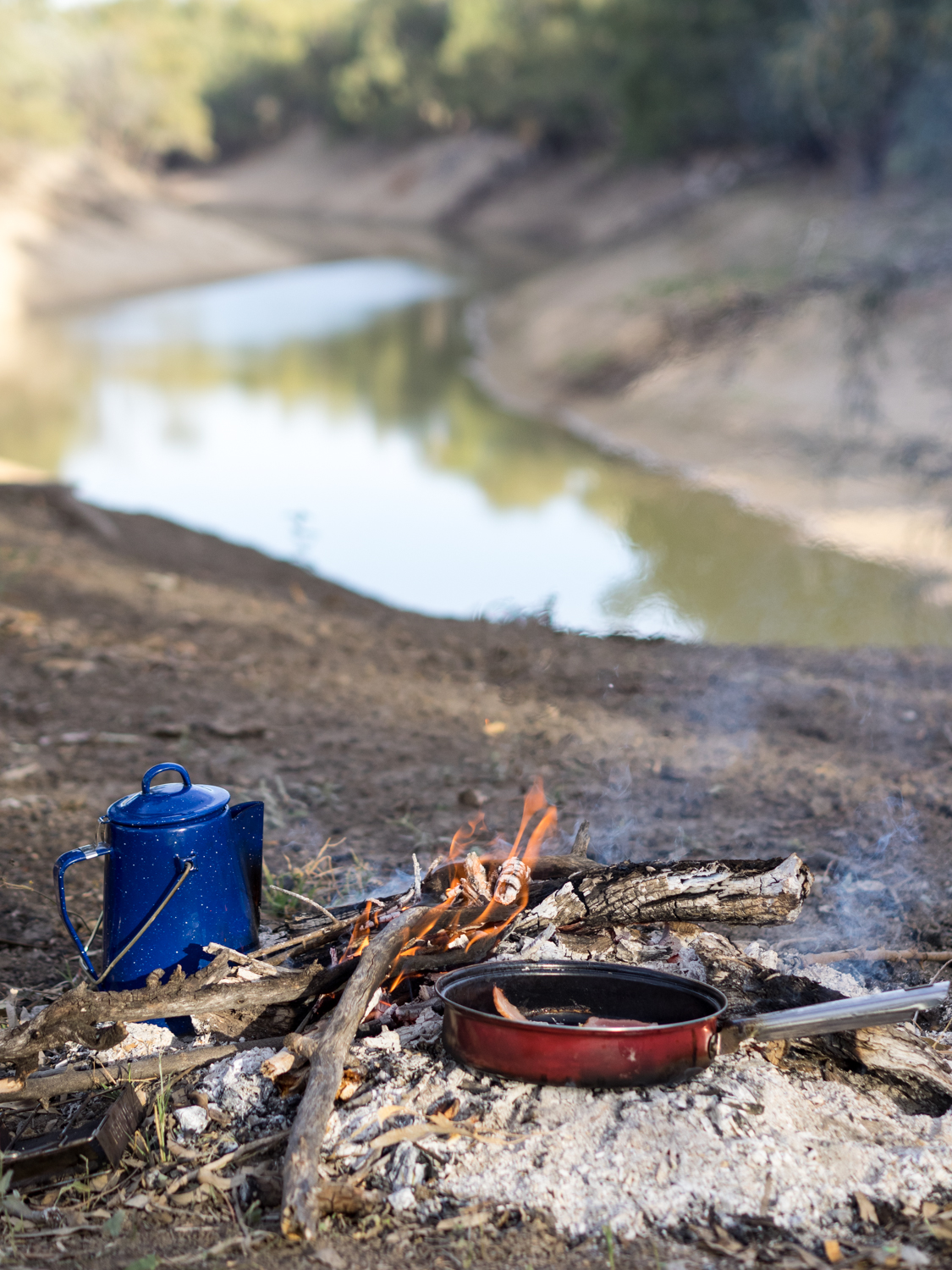
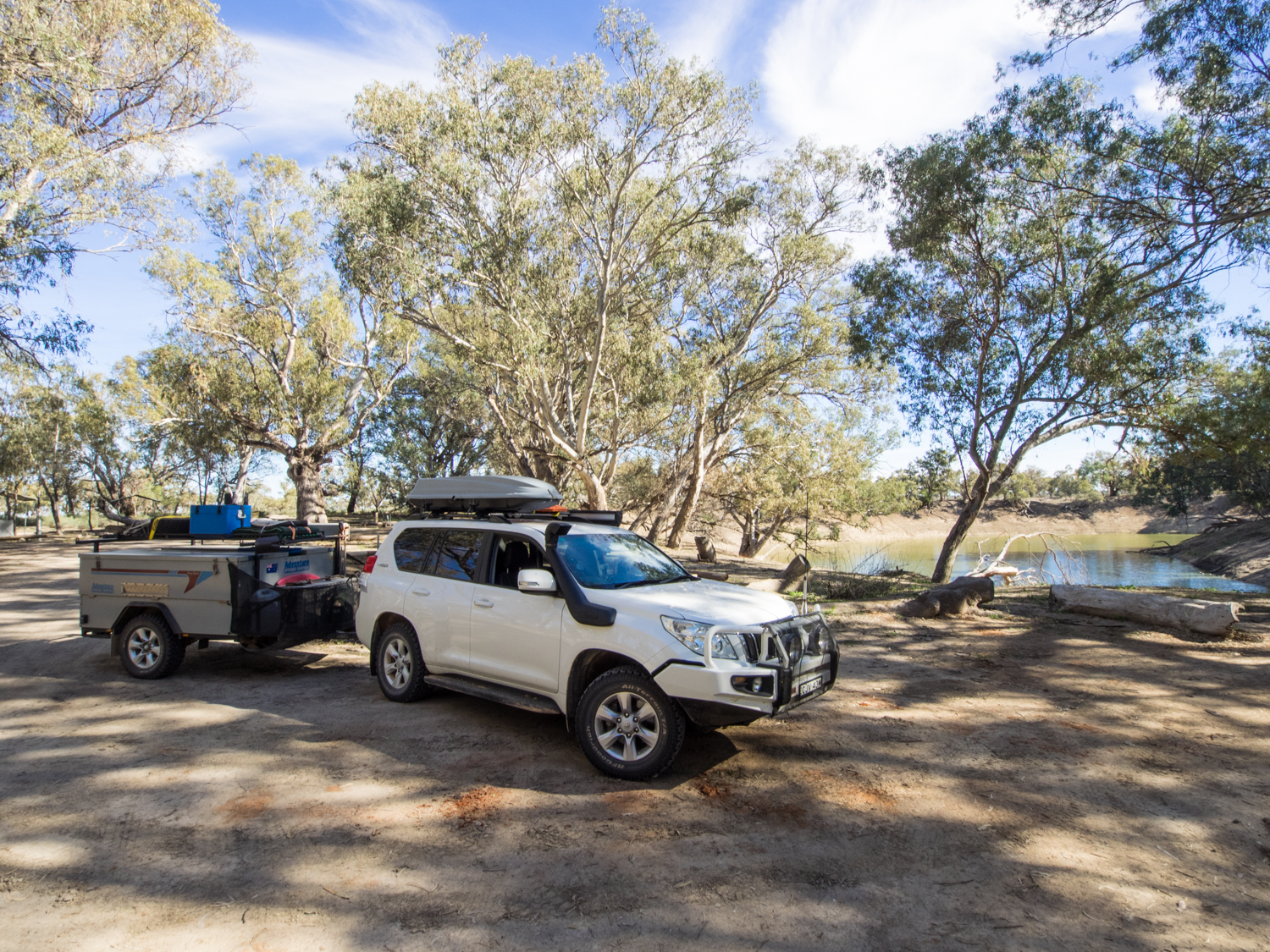
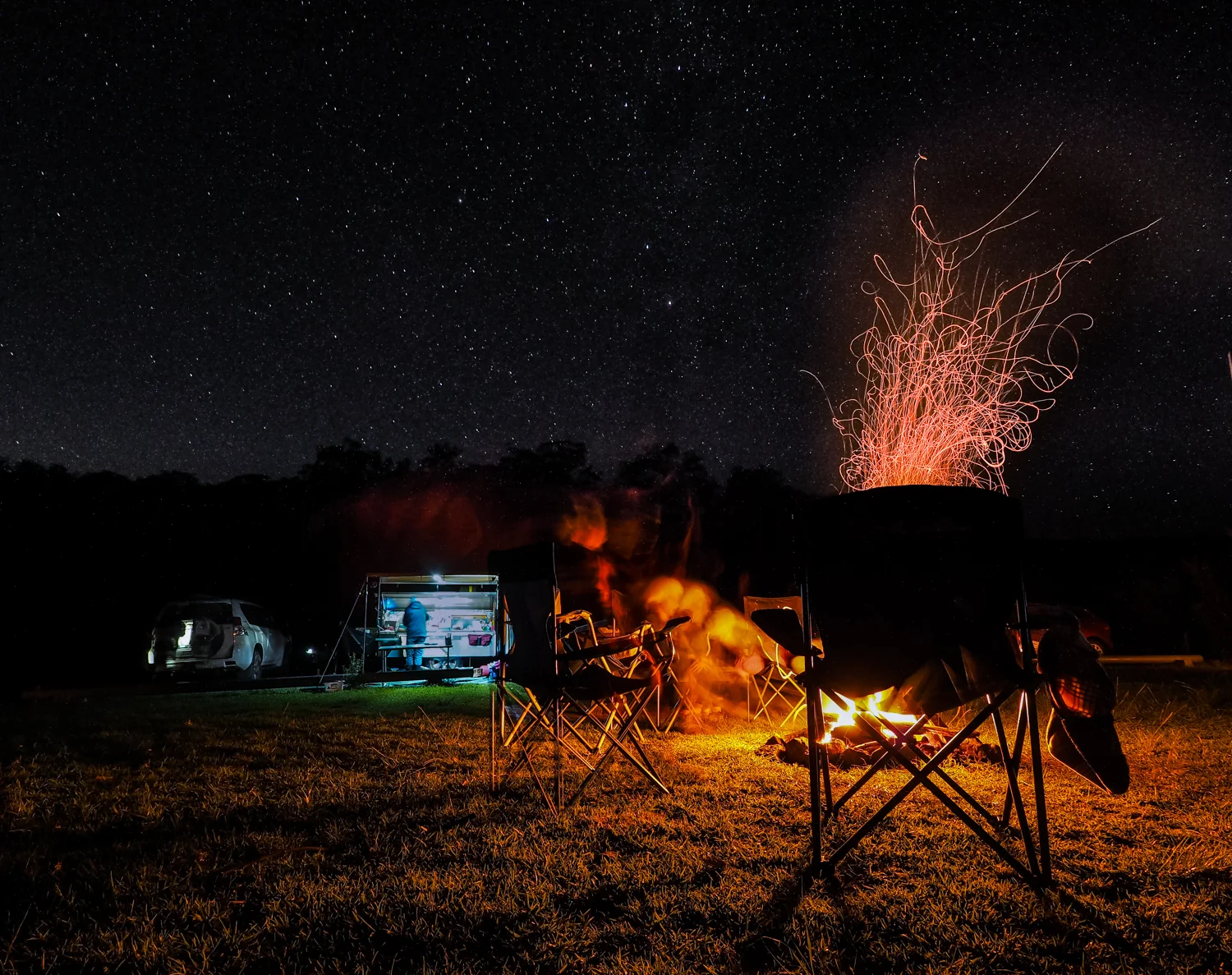
While the track generally follows the Darling river you generally only get a few glimpses of the milky brown water as much of it passes through private stations.  Some of these have opened their gates to travellers such as Trilby Station. But if you look hard enought there are two small wheel tracks just west of Tilpa that end up in a magnificent open camp site on the bend of the river.  As the blue sky gave way to ink black it was time to light a fire and ponder tomorrow's journey. 
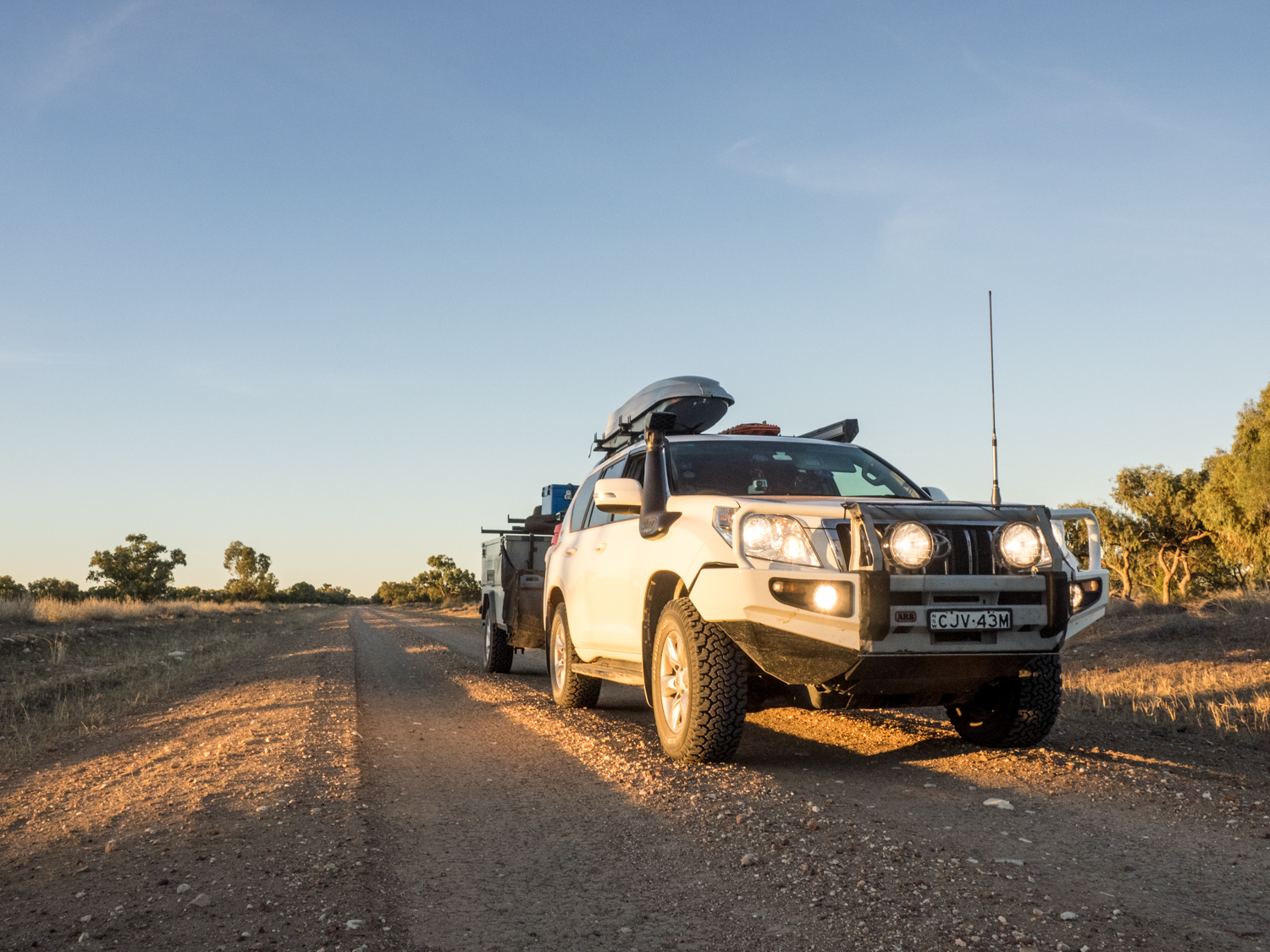
Leaving camp, the track to Wilcannia changes through a candystripe of  deep red and white soils marking out where the floodplain and higher land occurs. The section of road from Wilcannia to Menindee is less eventful with a monotonous mallee and Belah woodlands encroaching on the edge in an attempt to reclaim the track back.  This was only punctuated by the occasional wandering cows that considered the track to be their own. 

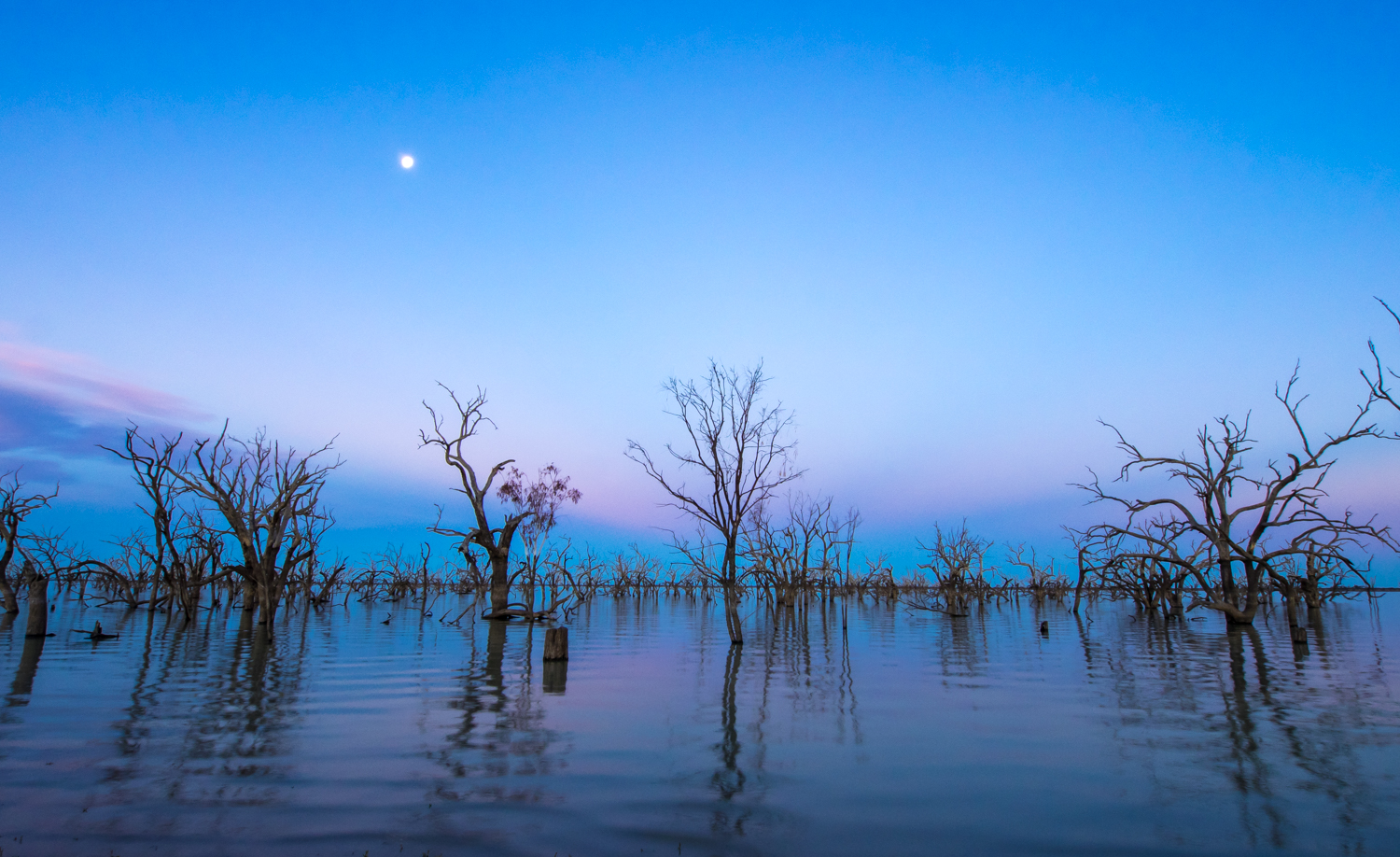
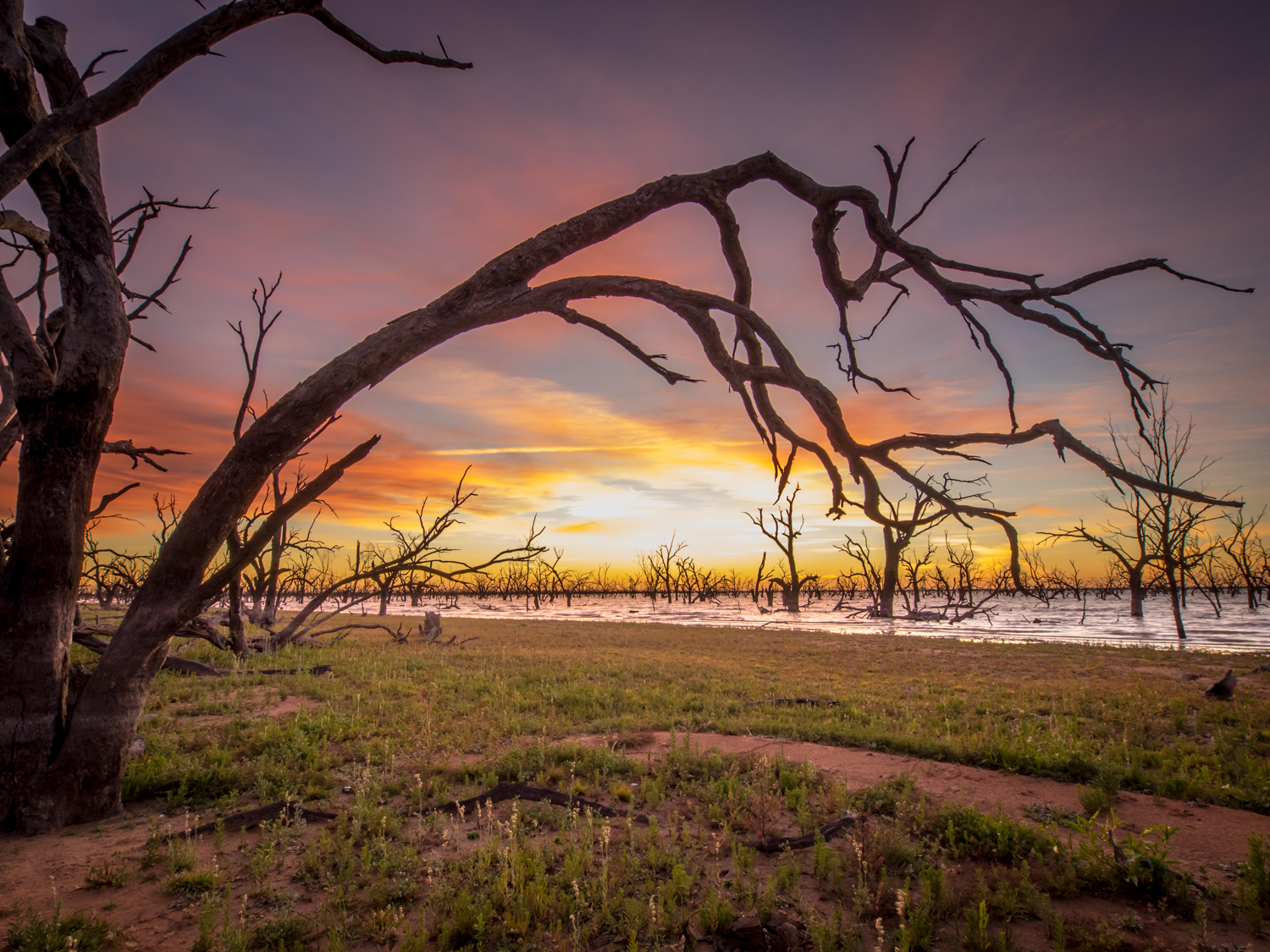
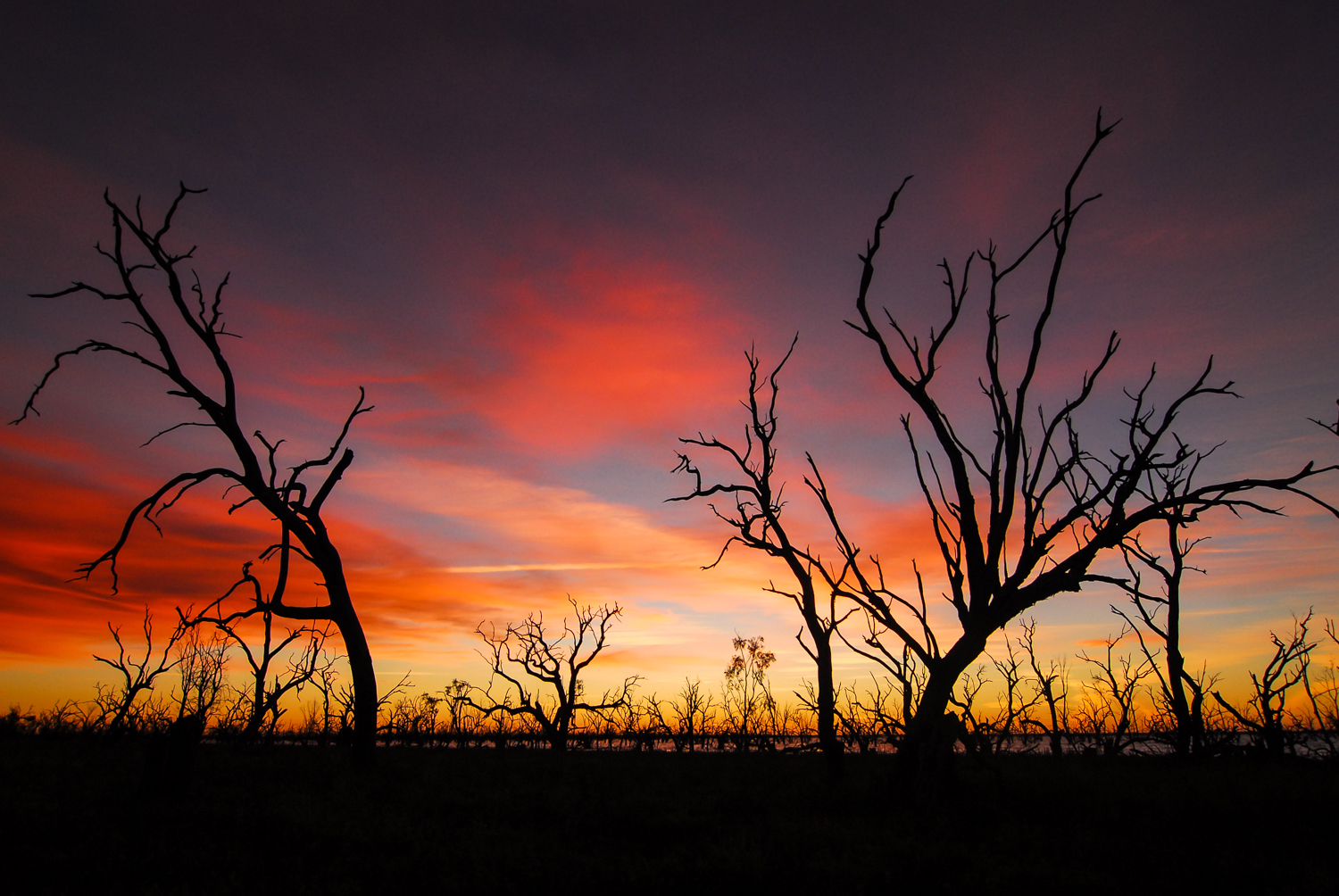
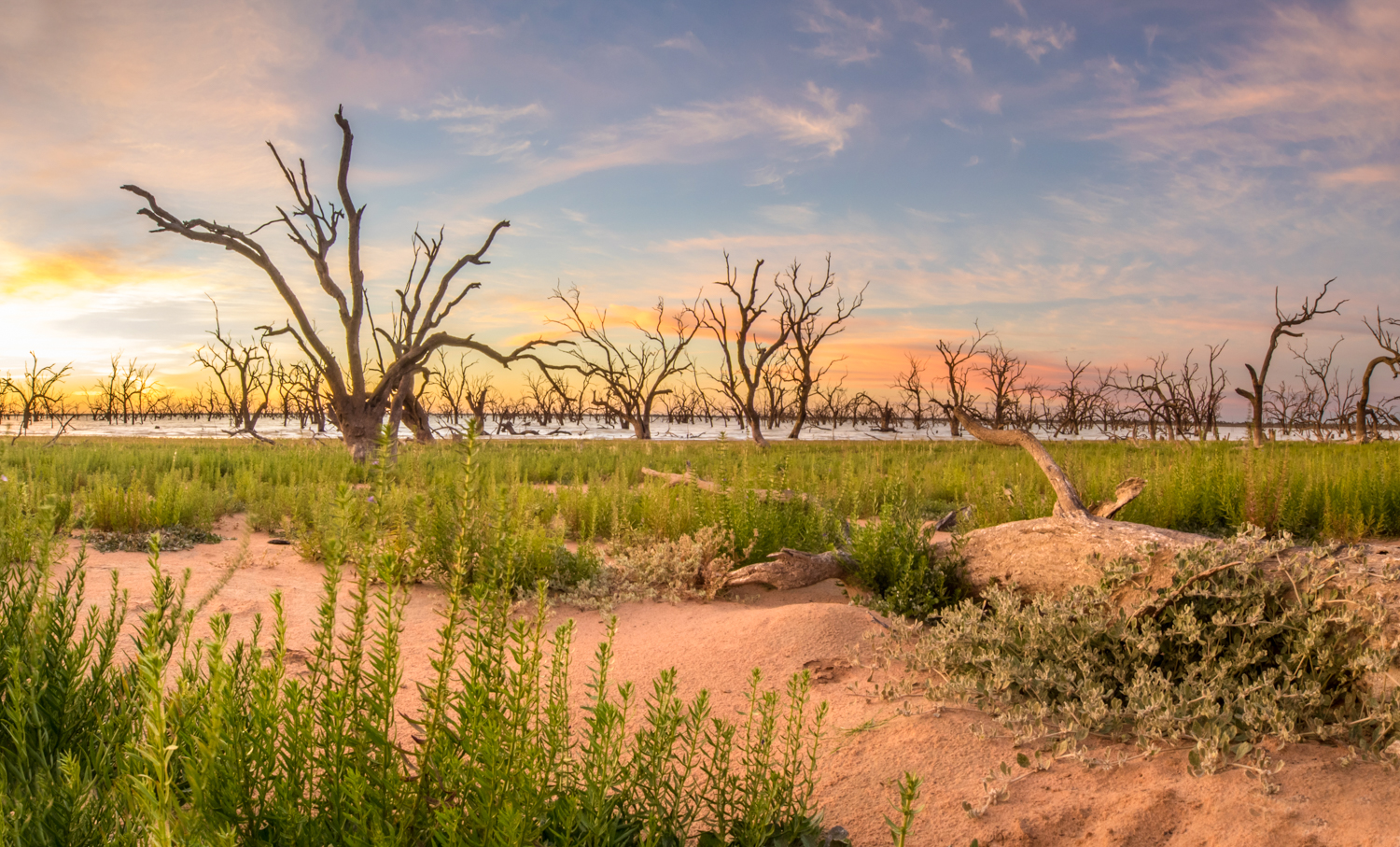
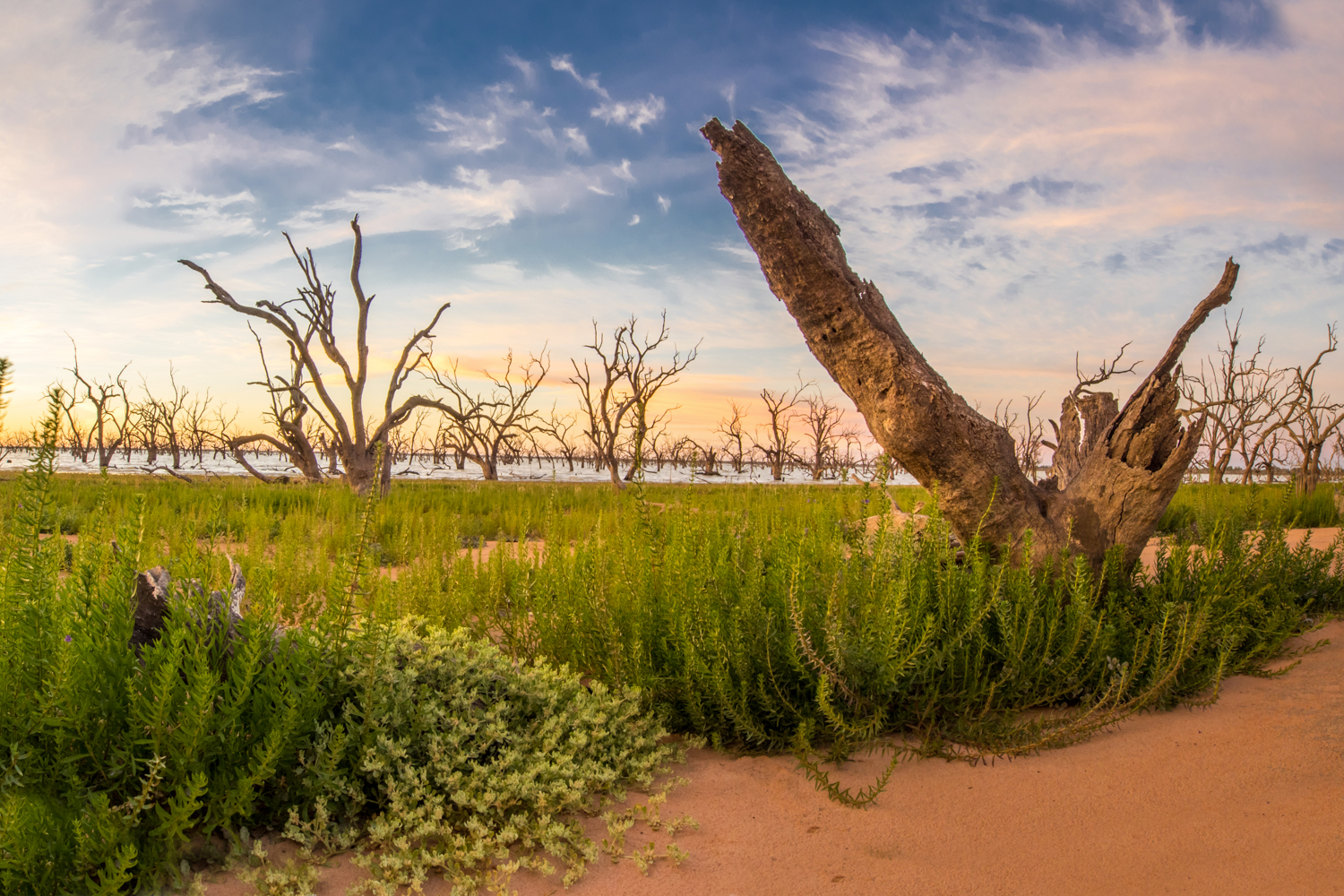
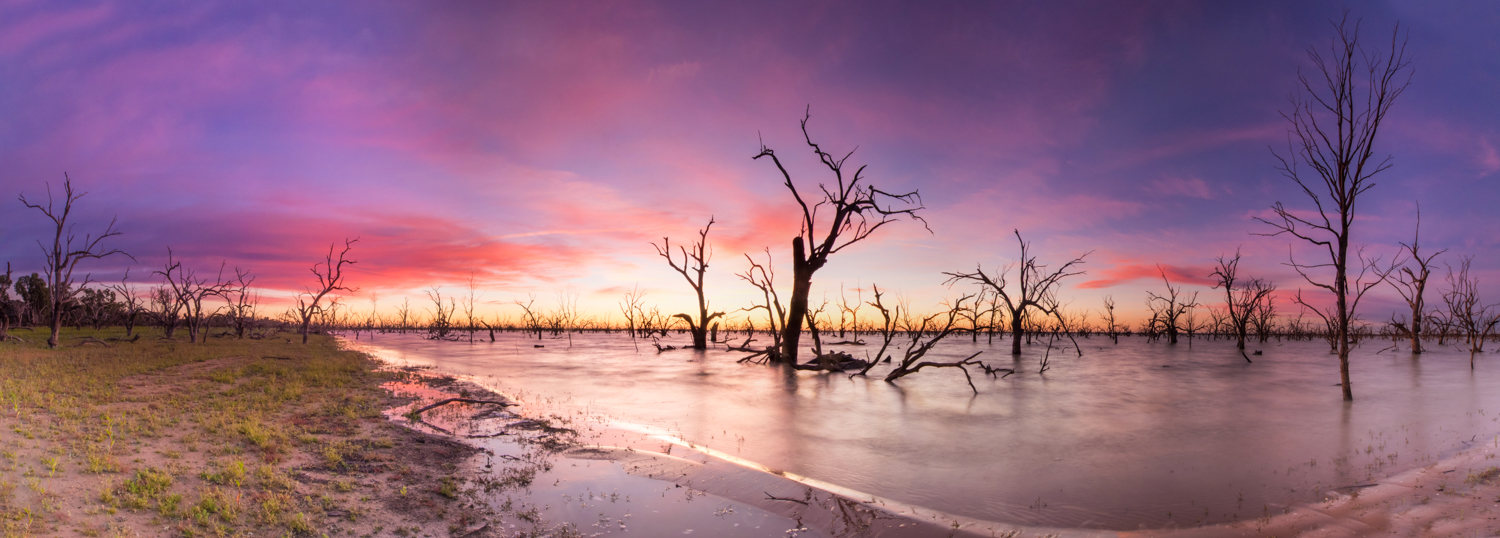
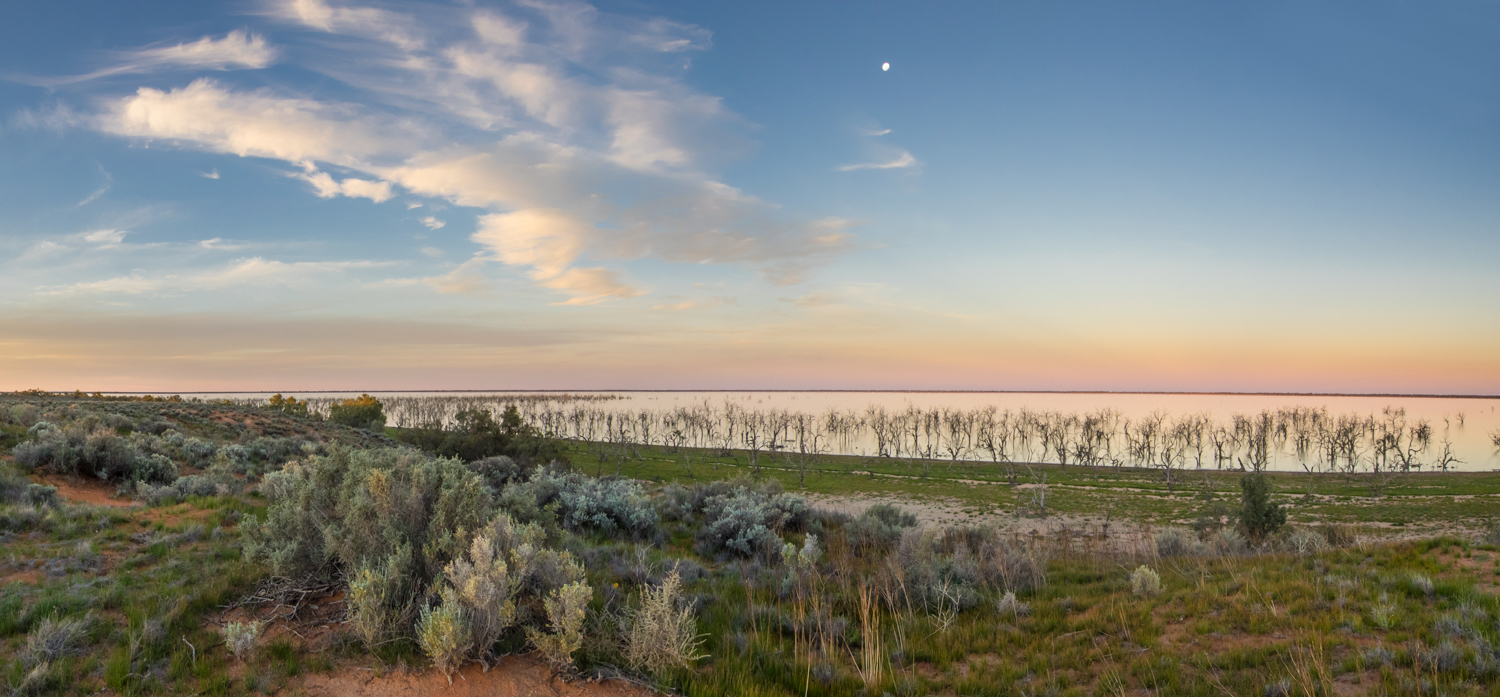
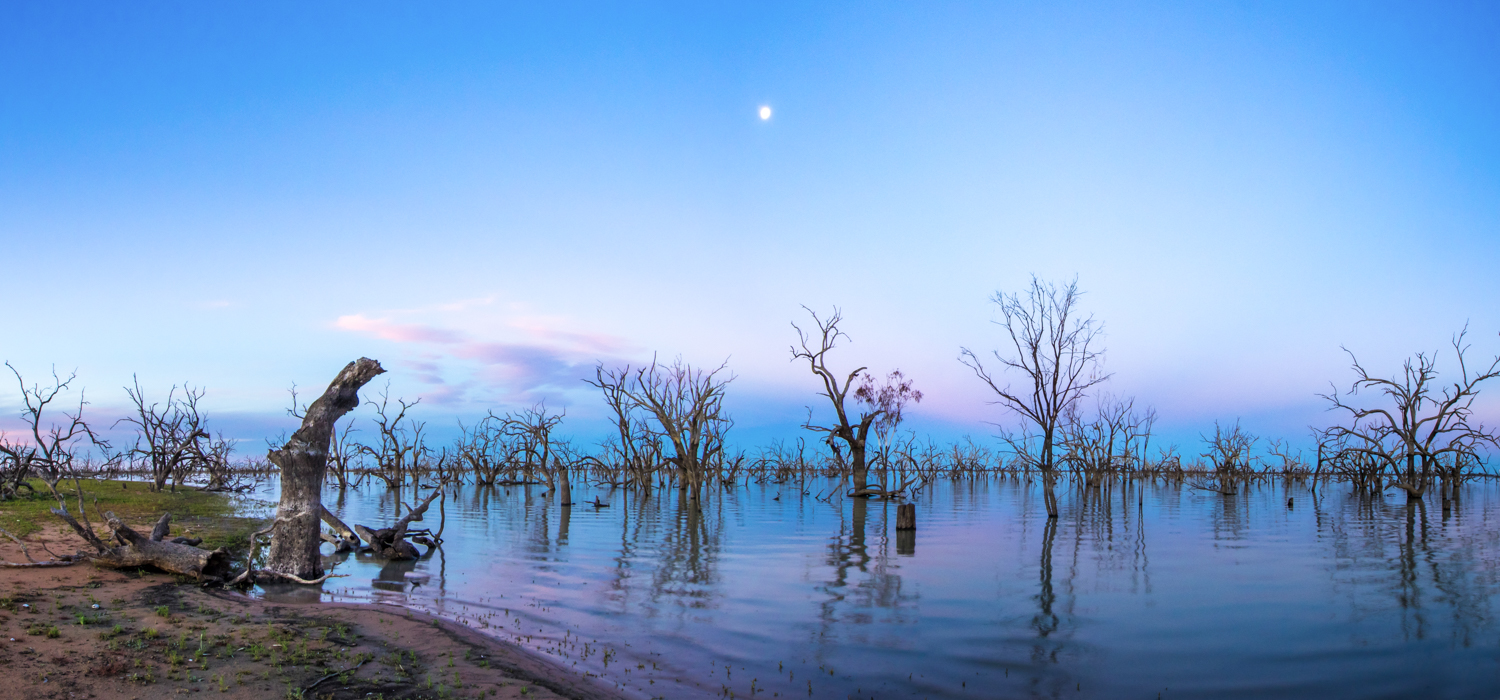
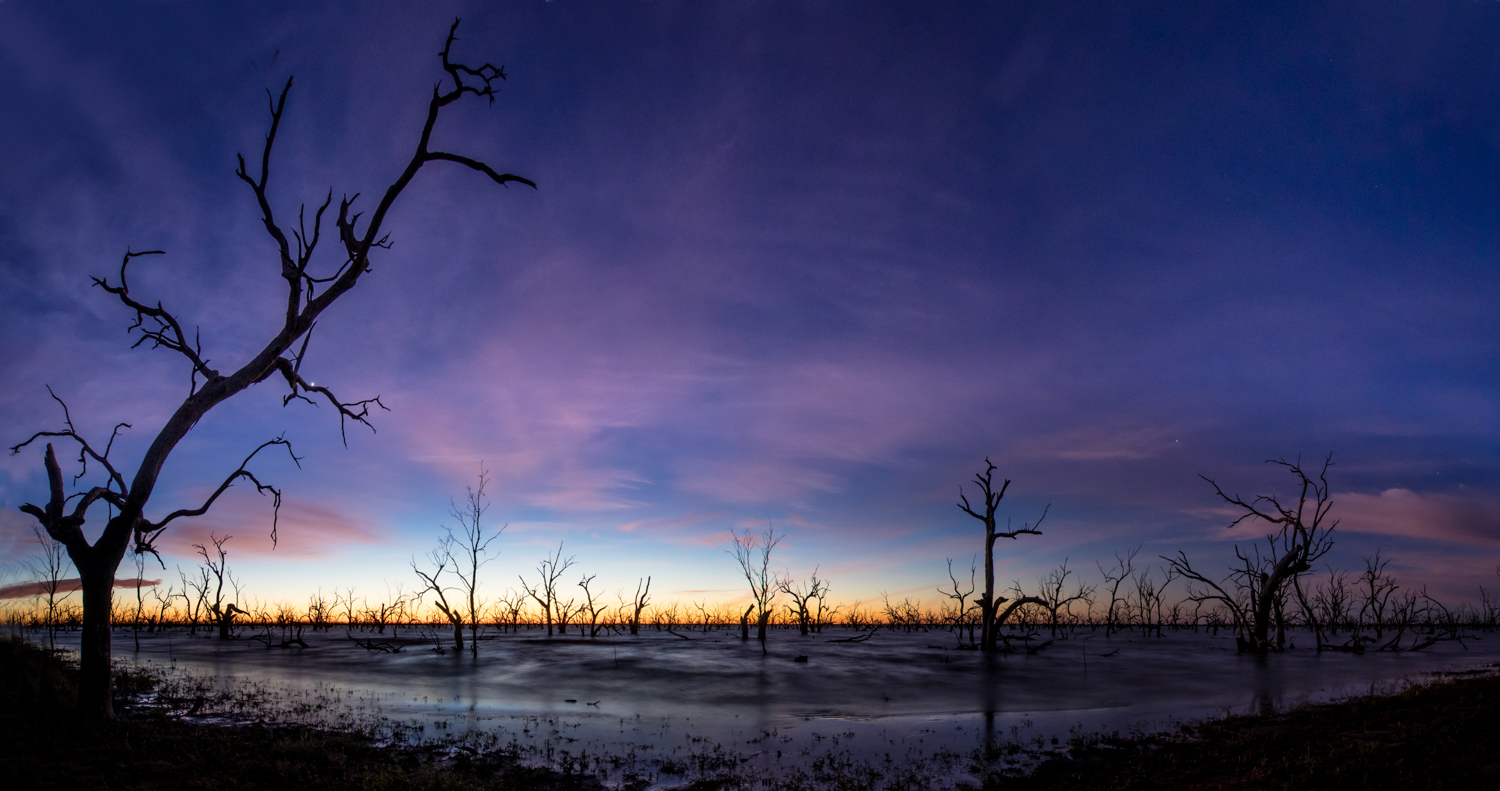
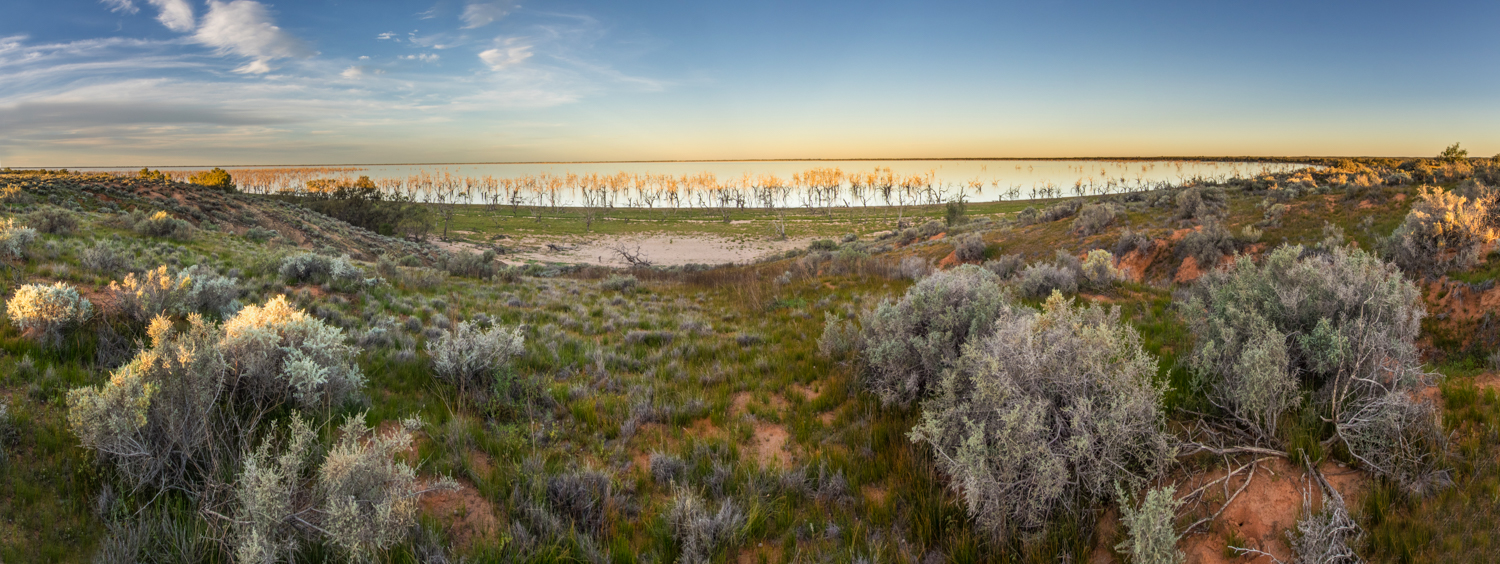
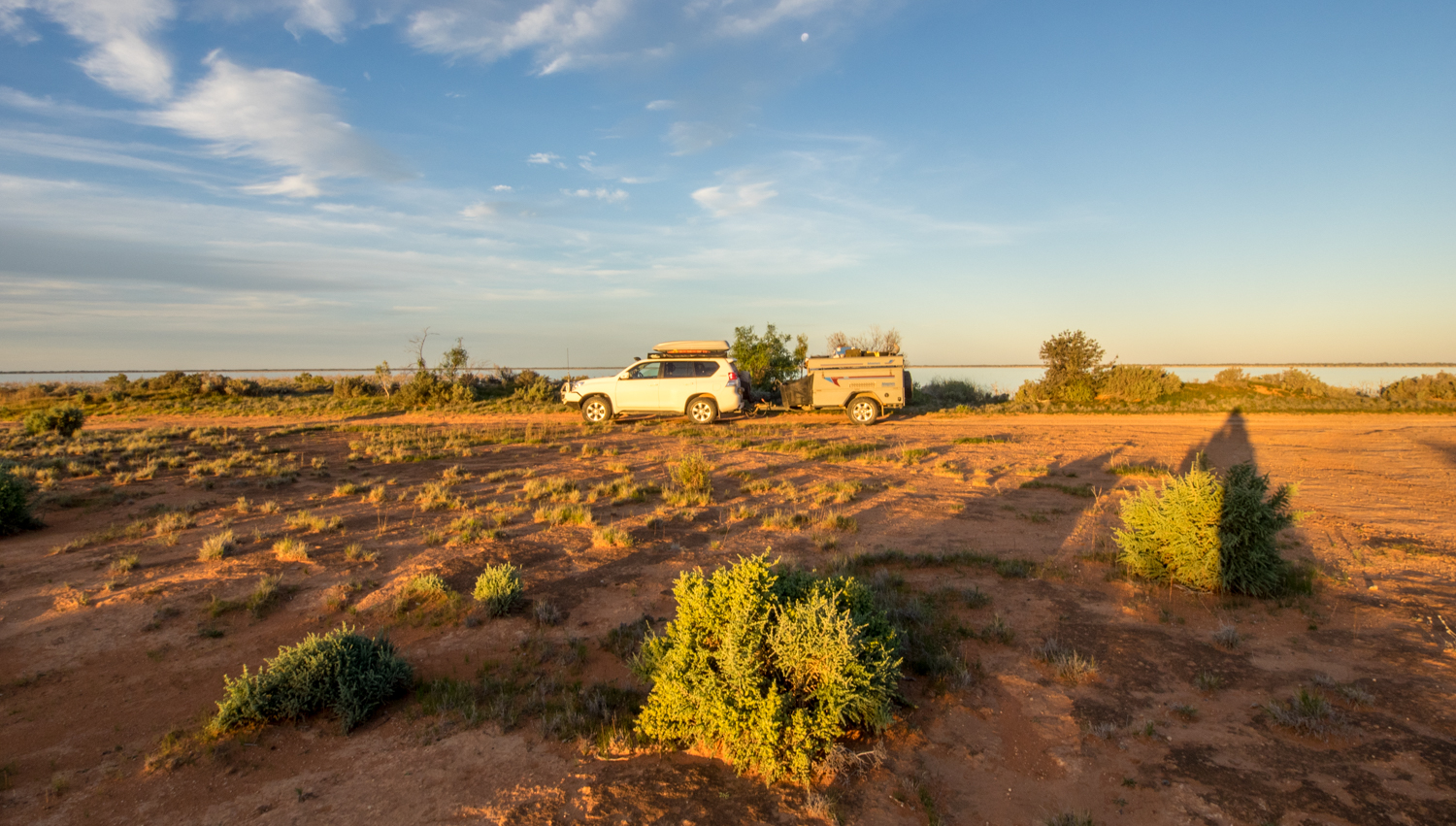
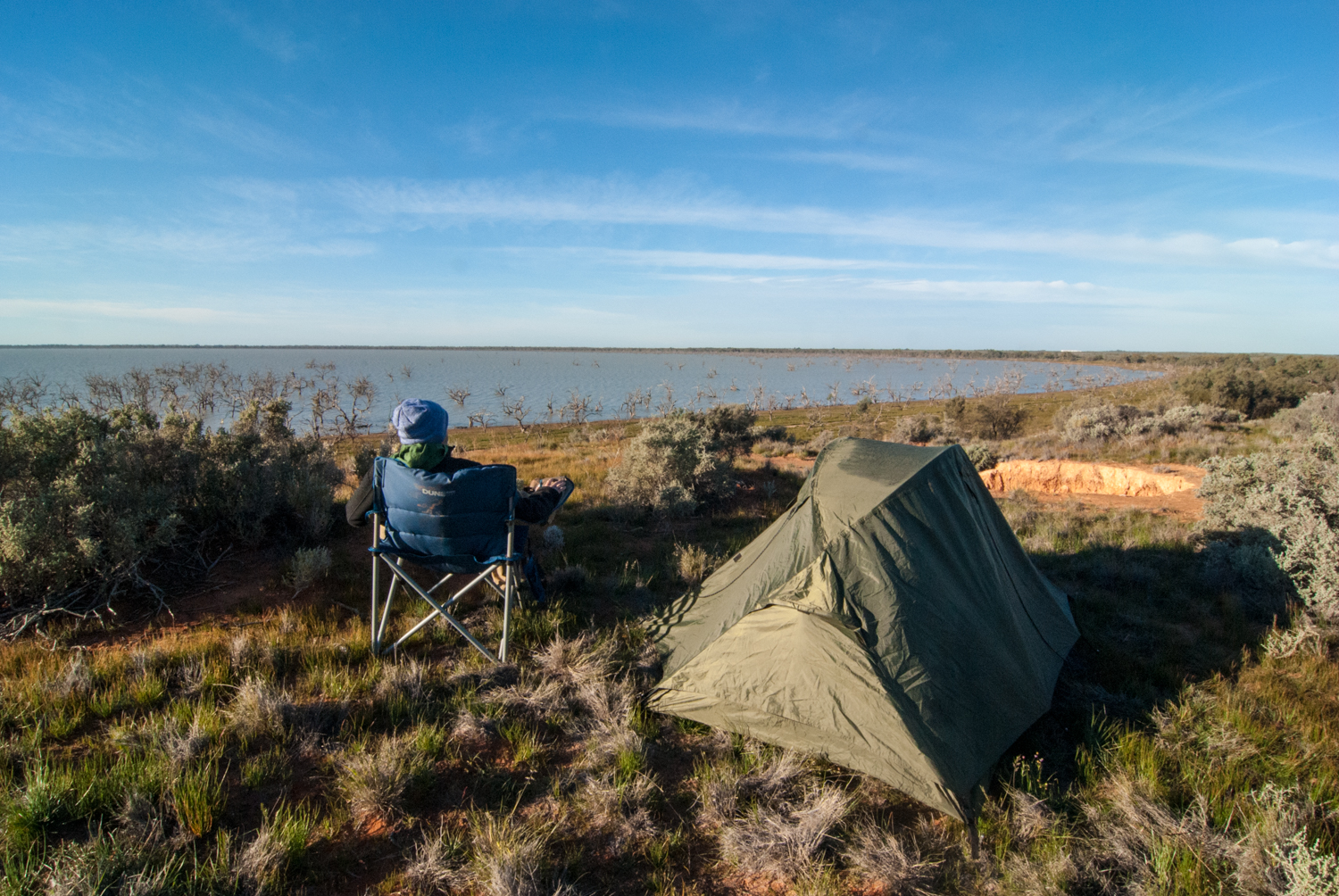
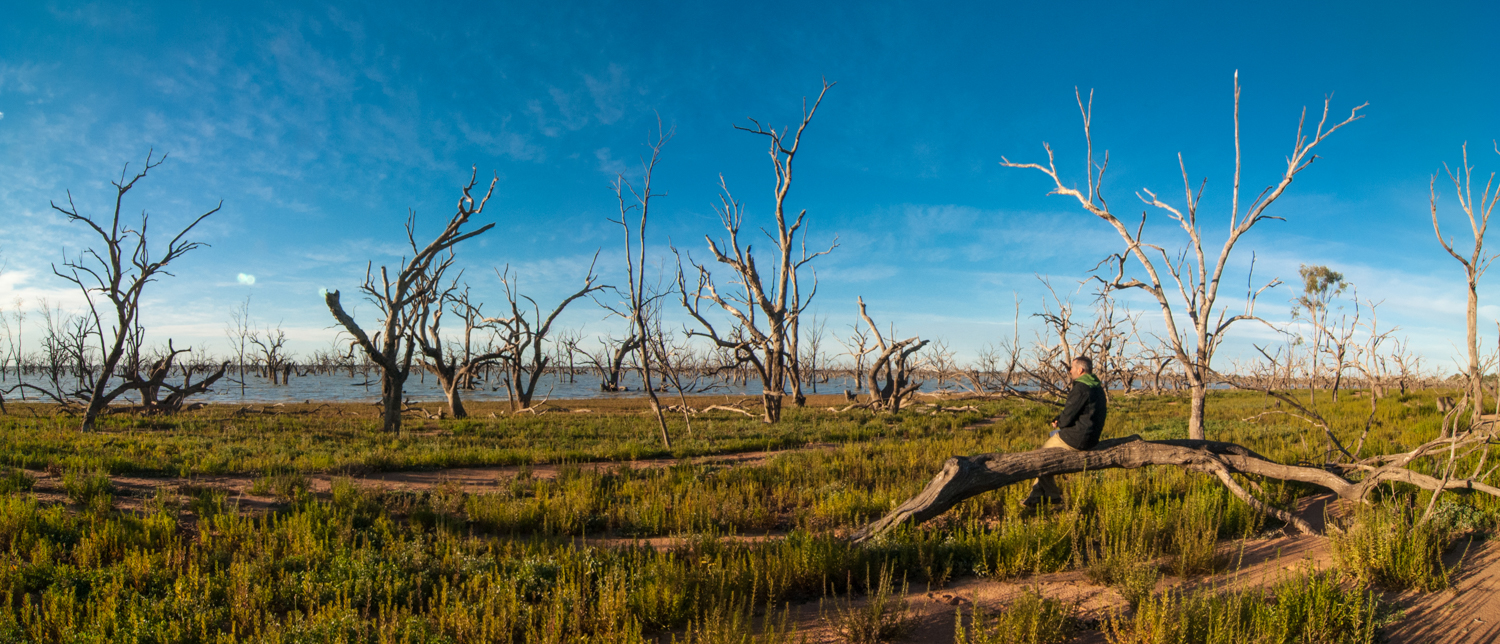
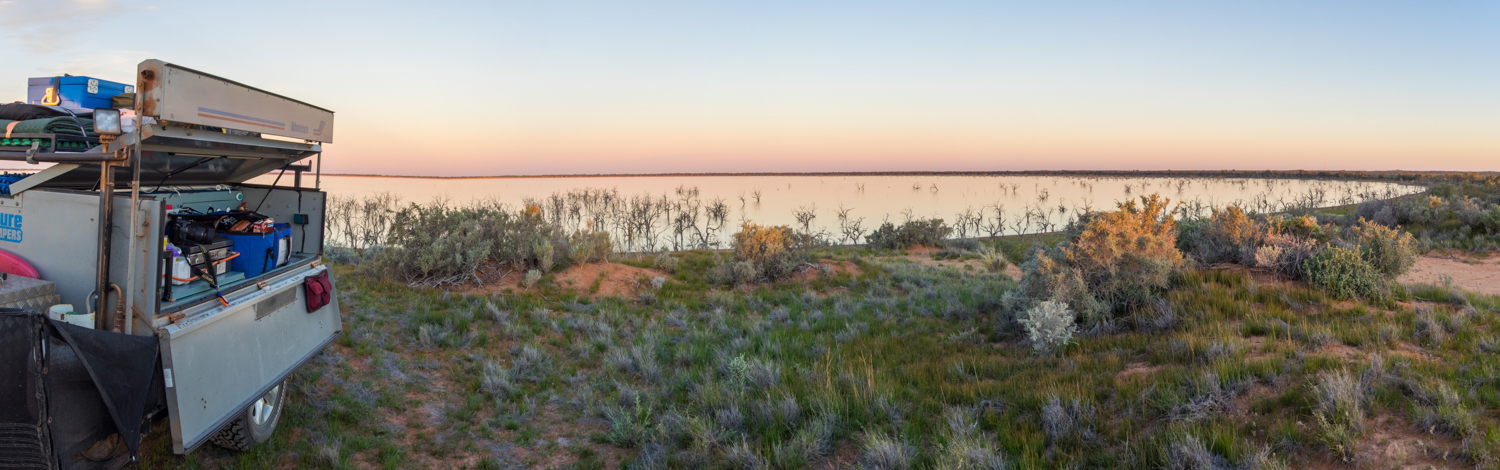
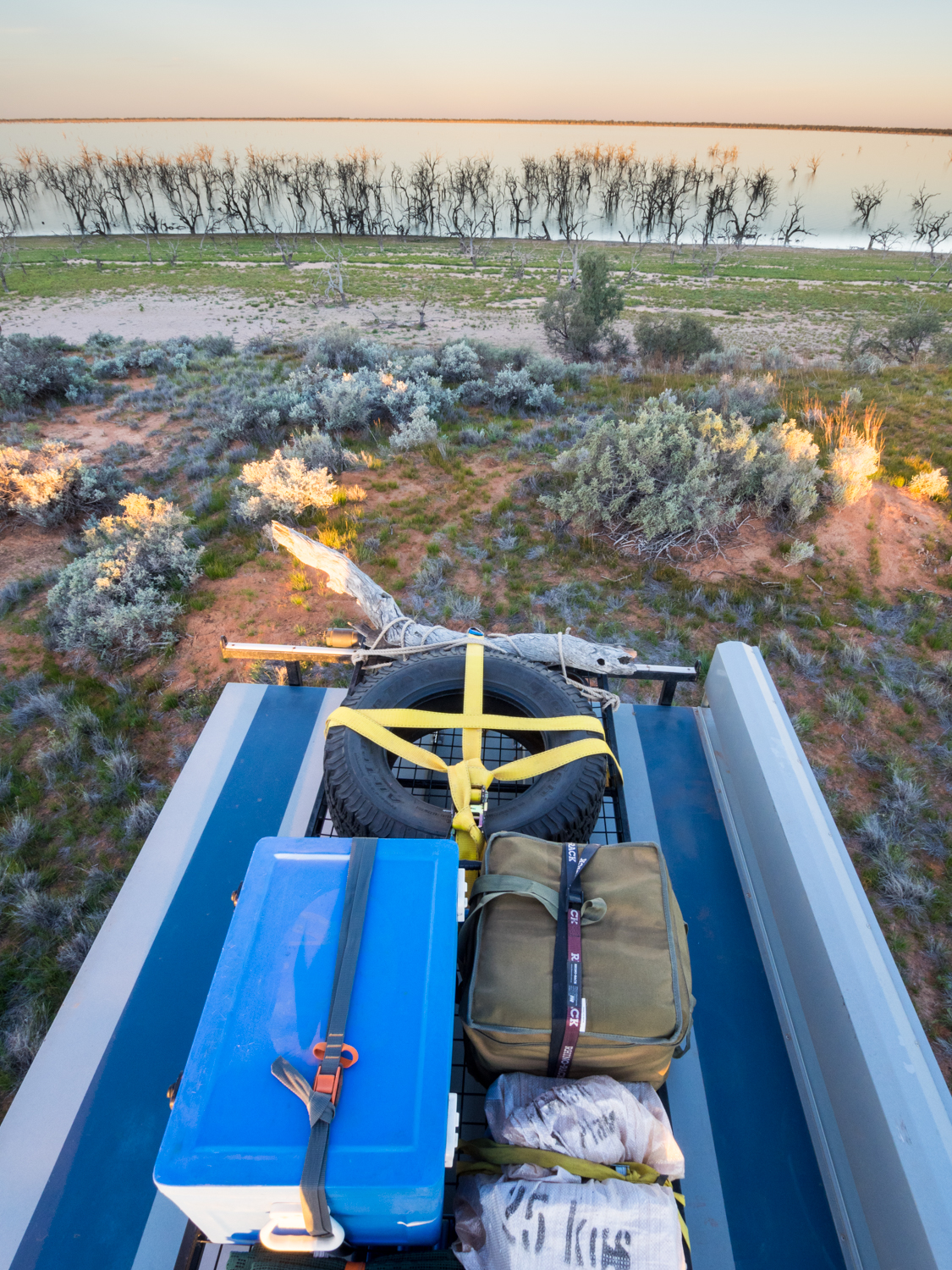
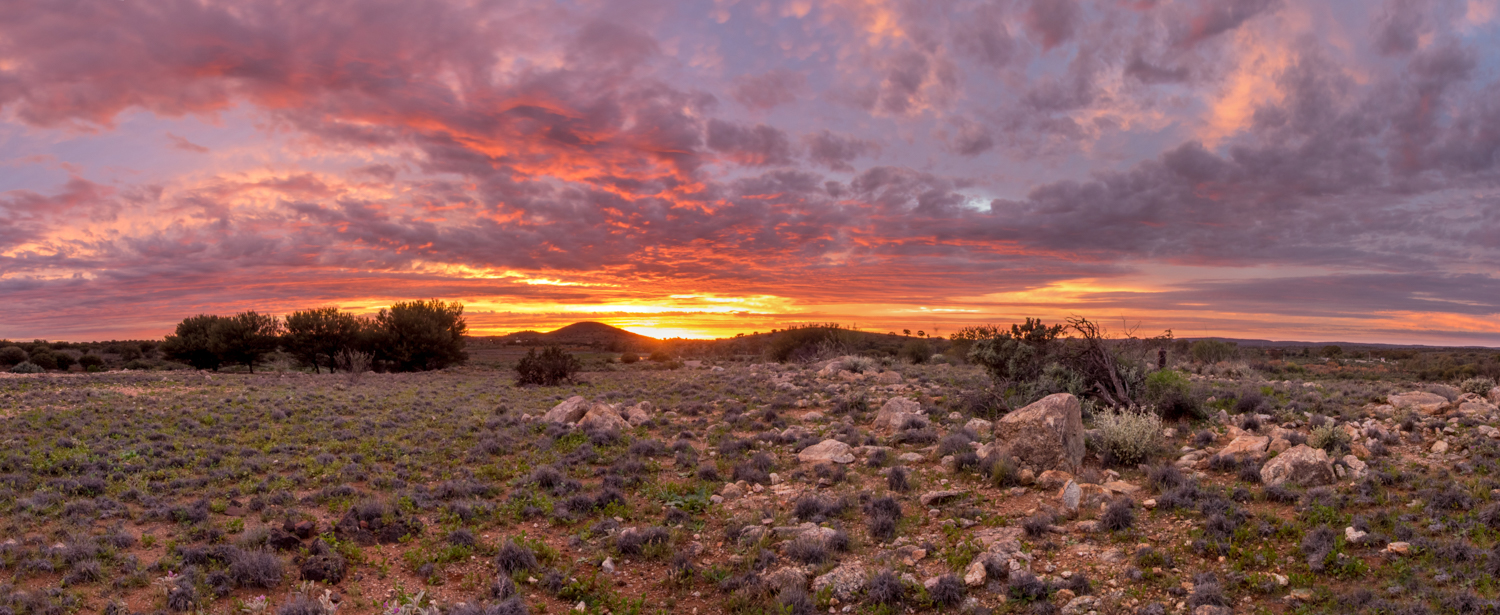
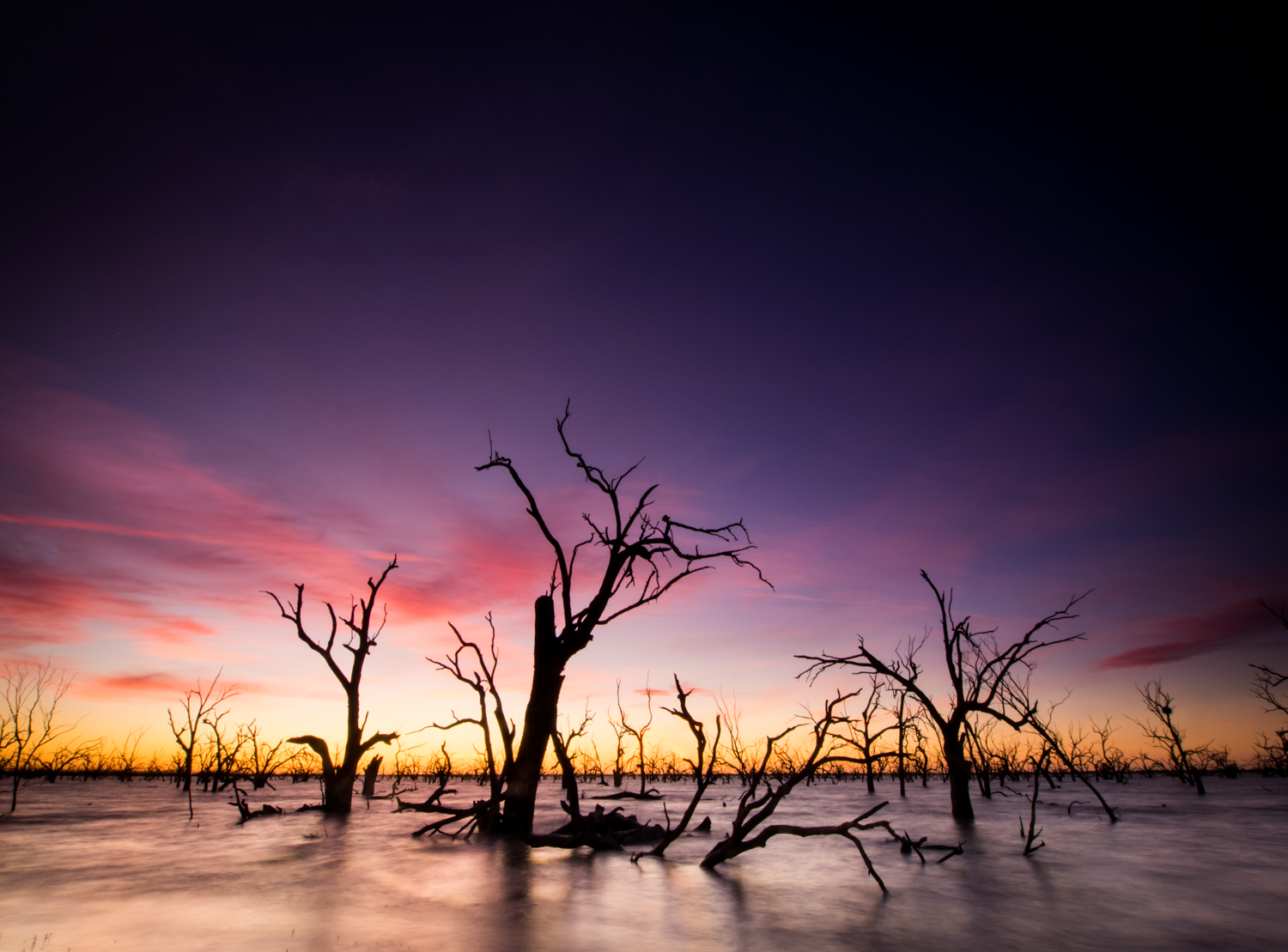
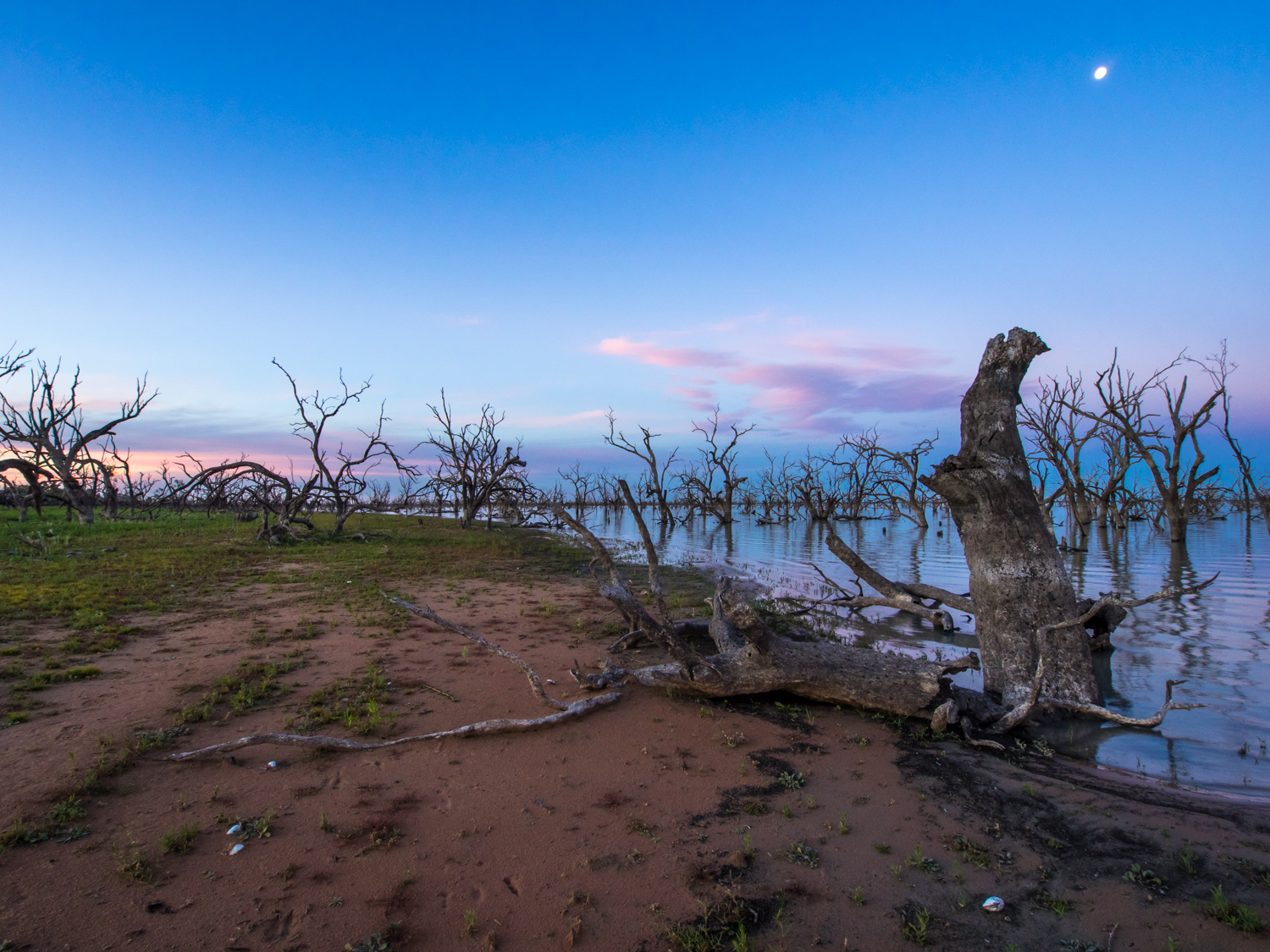
Reaching Menindee there are several choices on where to stay from the more civilised caravan park at Menindee to the adjacent Kinchega National Park.  But again looking for a free camp, the aim was to find a track that would lead me to a secluded spot on the banks of Lake Pamamaroo. Following a random track however can be a bit of pot luck.  Some lead in multiple directions then return you to where you started. Sometimes they will disappear out into nothing requiring backtracking. But if you are lucky it may lead to something interesting such as the spot I found overlooking this ancient lake with its part submerged black box trees looking like ghostly soldiers standing on the front line ready for battle. Waking early was well worth it with the silhouette of these twisted ghosts against the sky as it put on a magic light show transitioning from deep guinness black through to a wine burgundy, pink rose then yellow chardonnay.
Leaving the lake it was time to return to the black top, letting the Darling river continue on its journey as I made my way to Broken Hill to resupply. The next part of the trip will replace following  the meander of a river with that of a rail line.  It is to take us from a small dot on the map called Yunta in to the Gammon Ranges of South Australia then on to the Oodnadatta Track and the old Ghan line.
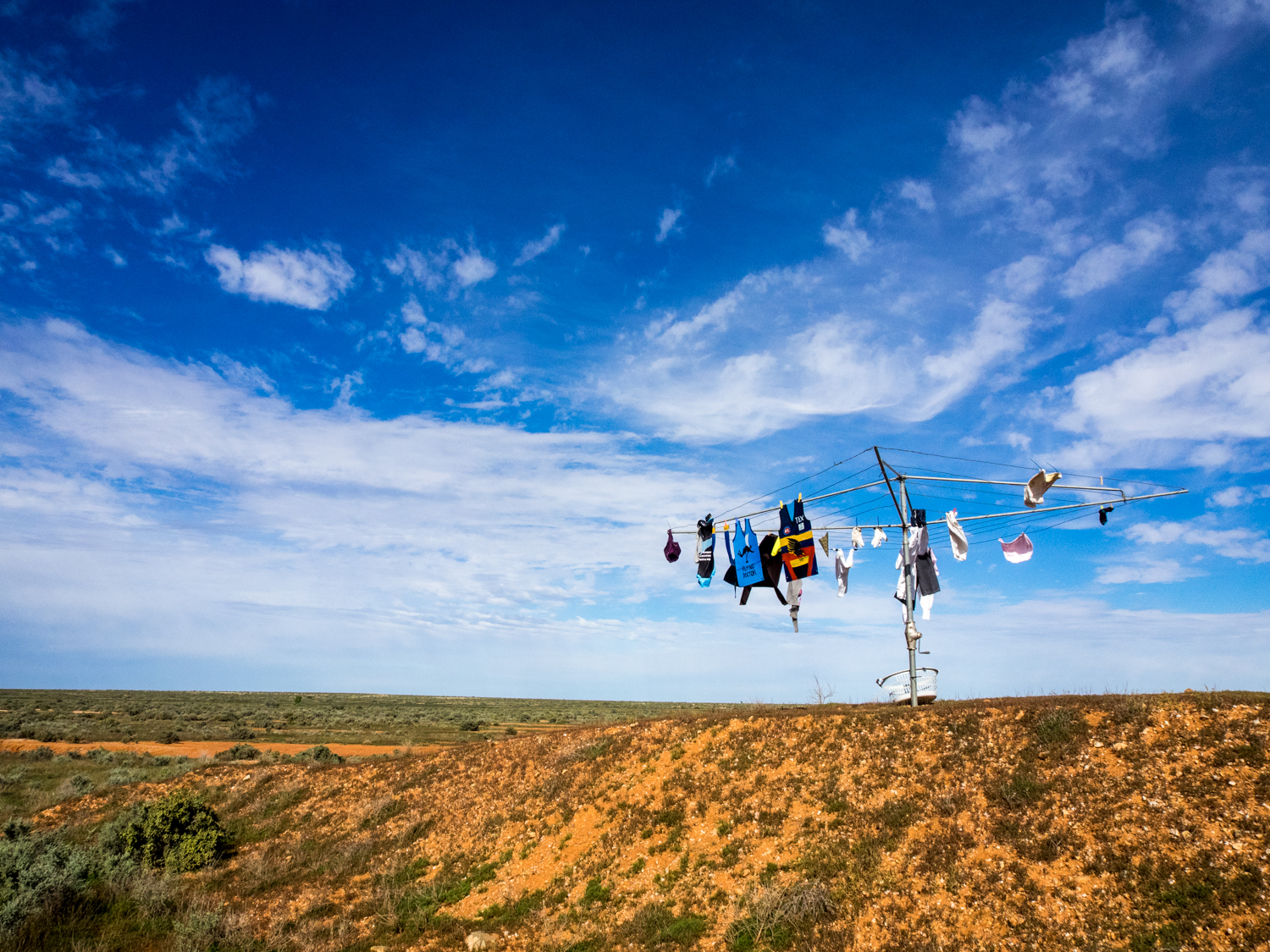
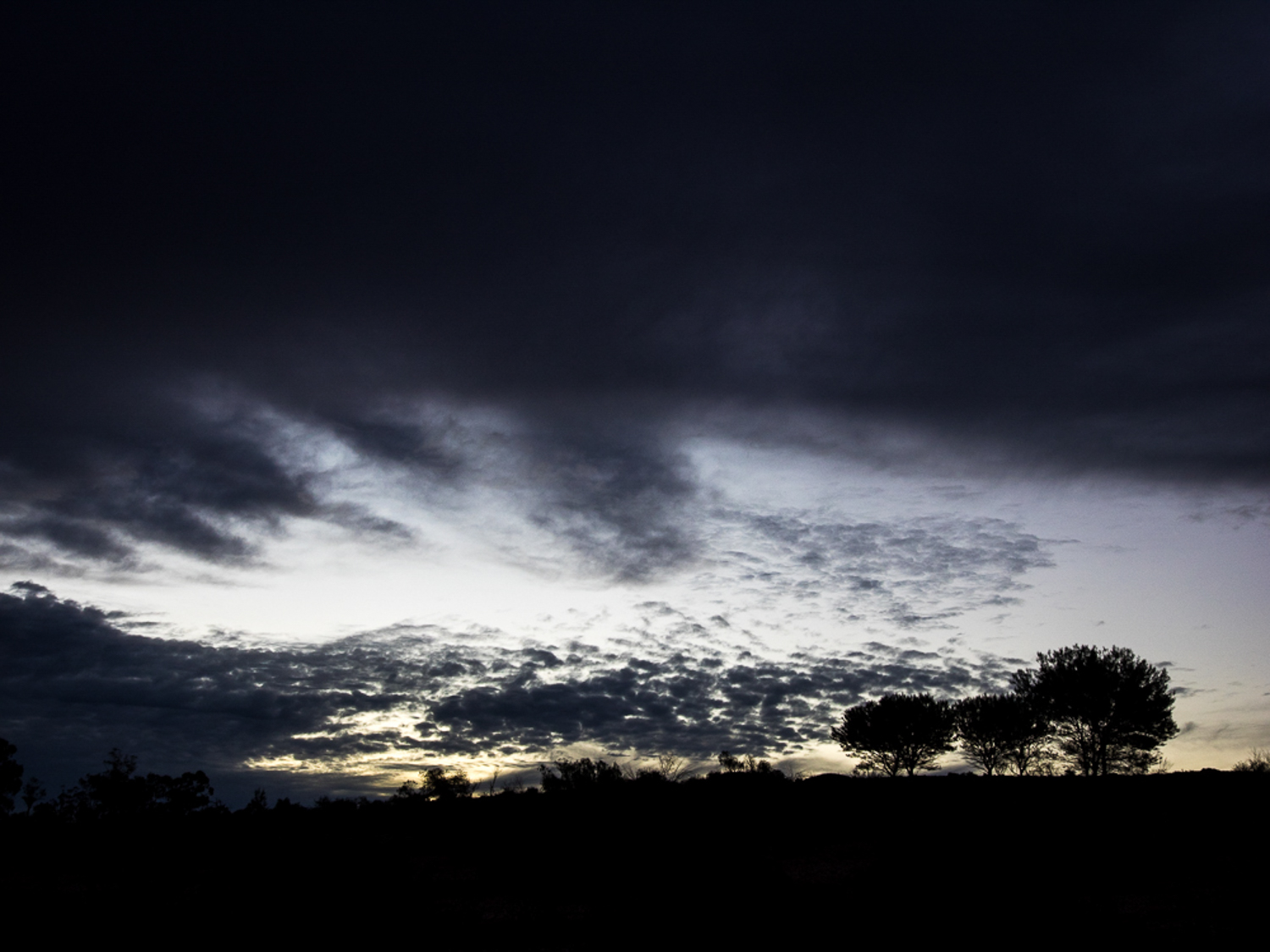
But what was this folly all about?  What was I in search of? For me, it was to experience a new pattern.  A new daily routing that was to involve time driven by the sun, roads where few cars have travelled, noises of silence broken by the wind or call of a finch.  The smell of dust.  The long hours exploring the expanses of the outback. Setting up camp in a new home each day and collapsing dreaming of the thought of doing it all again tomorrow. 

Luckily I have more of this folly to come.


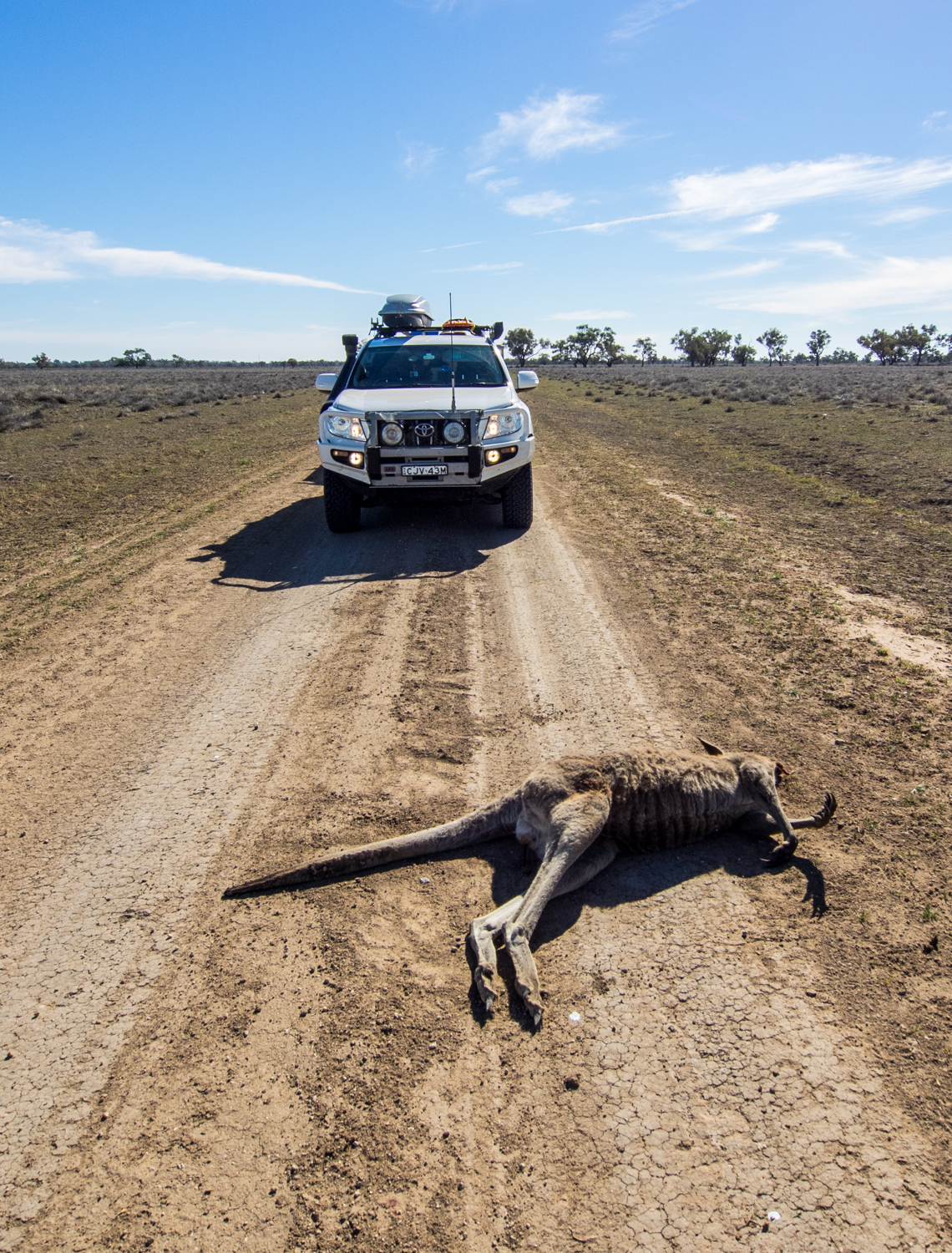
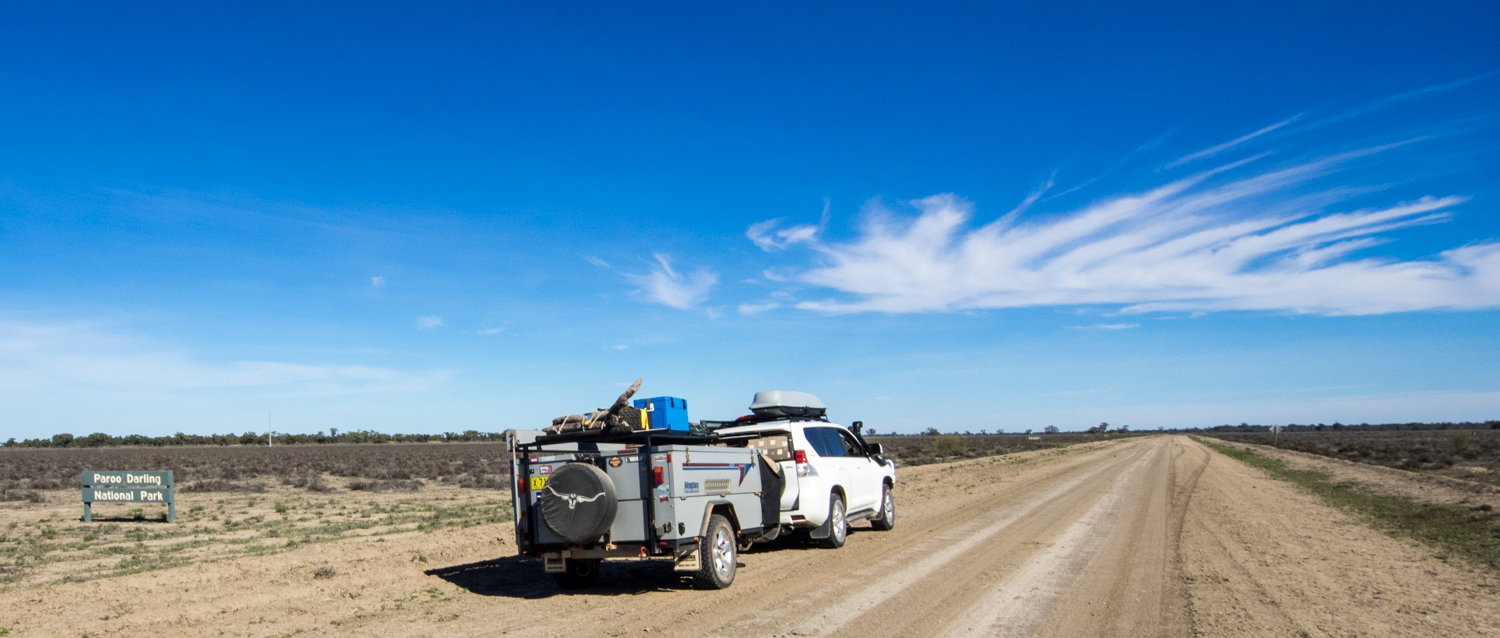
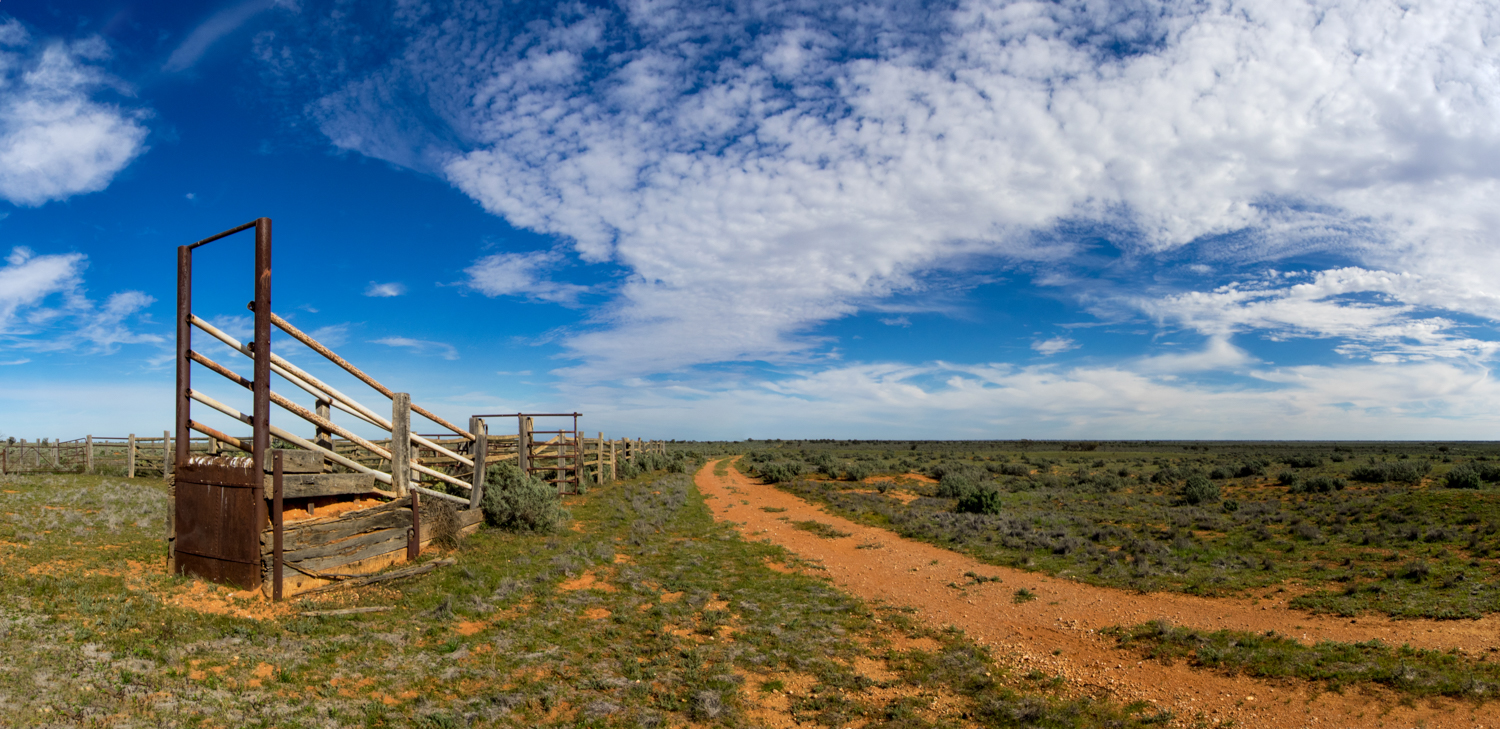
For an idea on what the roads were like have a look below

MAY 2014: Willowglen, NSW

LONR - willowglen-1.jpg
What if I break my leg and cant drive?  What if I am bitten by a snake?  What if I have problems with my eyes and I cant see?  What if I need someone else to drive to the nearest town for more beer?  

These are not normally the kinds of questions I have with my wife but they were important seeing we are about to head off on our trip to the outback. 

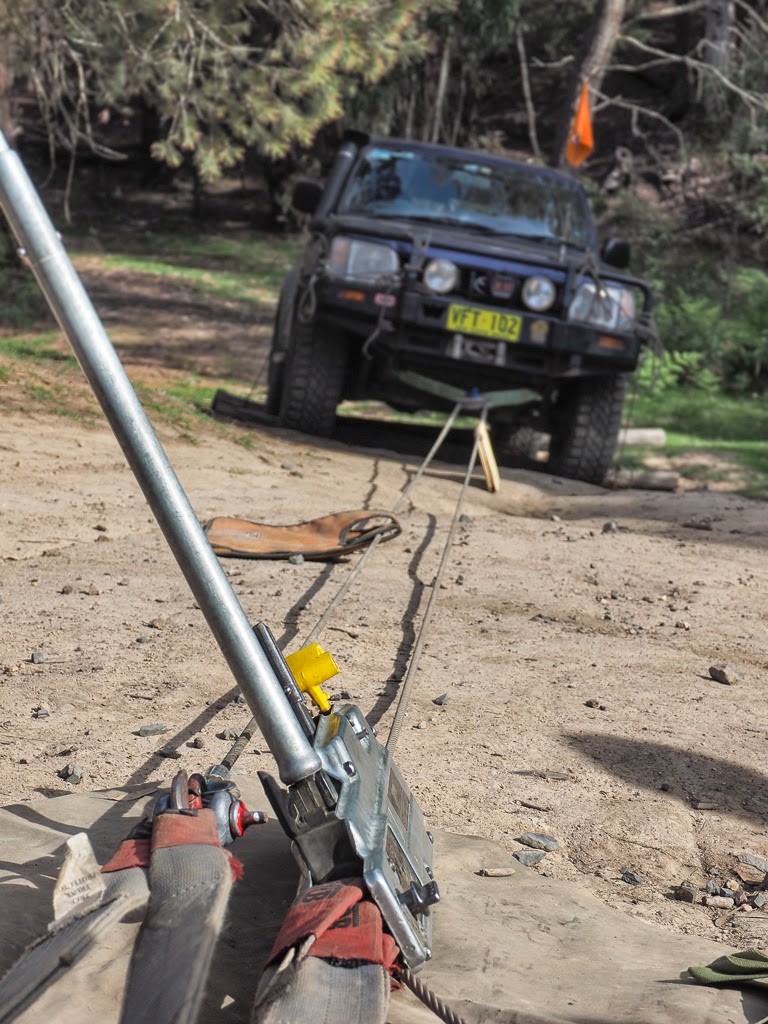
While Kathy is a very capable driver (I had to say this as she is probably reading this post) and drives the 4WD every day to and from work, I realised that the speed humps in the local shopping centre were probably not a good enough test of what we may experience over the coming months.  So with this in mind we went and did the 4WD training course which is run by the Toyota Landcruiser Club which we are a member. 


This involved 2 days of learning:
  • The difference between winches to snatches (I though this related to previous people I knew);
  • dead man anchors (lets hope I never need to do that);
  • why high lift jack are designed for macho men to stick on their car roof and serve no other real purpose;
  • how to repair a tyre with a piece of chewing gum, string and kitchen fork (well something like that);
  • successful water crossings without being eaten by crocodiles (it turns out children are the perfect size for walking the rivers to see how deep they are);
  • how to climb steep hills and then come down them again without rolling over;
  • how to avoid large rocks jumping out and damaging the car (oops – I don’t think I leant that this weekend)


It was a great chance to really experience where the car is capable of going.  It also turned out that the women drivers mastered the course better than many of the men on the course…..except me obviously.


A special thanks to the volunteer teachers from the Toyota  Landcruiser Club who did a great job.   I can highly recommend it

APRIL 2014: Megalong Valley, NSW

The Easter Weekend is synonymous for rain so camping is usually an unpleasant thought but this year the sun gods were good to us with 3 beautiful autumn days.  So with the trailer packed we headed to a lovely campsite in the Megalong Valley called Dunphys Campiste. 

I didn’t know until after doing a bit of research that both Milo and Myles Dunphy were avid bushwalkers and were instrumental in pushing the case for national park reservation in NSW.  These included the Snowy mountains, Colong, Myall Lakes, Kanangra-Boyd, the Border Ranges and the Blue Mountains.

Despite it being the Easter long weekend and so close to Sydney the campsite was surprisingly empty.   I assume it is because it is not well promoted (not even appearing on the National Parks Web site) and you need to follow Megalong Valley Rd passing through private gates before you re-enter the National Park. The site’s openness catches the warming rays of the sun and you get spectacular escarpment views from your tent.  It even has the luxury of a clean pit toilet and timber tables and seats.

The nights was spent around the obligatory fire eating marshmallows and damper washed down with a few glasses of 15 year old red to warm the toes (best to bring your fire wood with you or collect before you enter the private property)rather than collect in the NP).

Dunphys is obviously a popular spot for walkers doing the 7 foot track or some of the other popular over night walks down to the Cox’s River.  We had to settle for day walks including a trip back up the valley to the Grand Canyon Walk leaving from Evans Lookout.  (http://bushwalkingnsw.com/walk.php?nid=787).  While normally a loop track it was closed at the bottom.  Despite this it was still a fantastic walk as you descend into the canyon through lush rainforest gully.  The 1178 steps back out (yes Kathy counted them) was hard work but I will definitely be back to do the full loop when it reopens.

MARCH 2014: Lord Howe Island

Lorde Howe Island is one of the most magnificent places in Australia.  With turquoise blue water, tropical reefs, vivid green forests and mist covered mountains it is a photographers paradise.  It is also not a bad place to spend your 20th Wedding anniversary.

MARCH 2014: East Beach, NSW

We had a lovely weekend away with Friends at East Beach.....AND IT DIDN'T RAIN!!!

We managed to get a lovely walk in along the coast, a few dips in the water and an early morning photos shoot

​

January 2014: Narrabeen, NSW

What a great way to spend the Australia Day Long weekend

Despite the story skies I also managed to experience one of the best sunrises i have ever had

December 2013: Shoal Bay

Christmas is the time to escape the madness of the city and look for some less stressful spot to camp.  It does not get much better than Shoal Bay.


August 2013: Myall Lakes, NSW

A weekend away with the girls, this time to the lovely Myall Lakes just north of Sydney. Click on the images below to see them in all their glory.

SEPTEMBER 2013: Chichester State Forest

School holidays here again so it was time to pack the camper (and the children) and escape from reality for a while.

This time it was to Chichester State Forest in NSW.


Chichester camp site


We are often spoilt for choices when we are deciding on where to stay for our next camping adventure.  There is the luxury of a holiday park with all of their trappings for the kids including pools and jumping pillows.  Alternatively there is the National Park with basic facilities but world class views and unique natural wonders.  But there is another alternative that gives you access to some amazing bush camping but does not cost anything and that is the State Forests.  So it was with this thought we decided to head to Chichester State Forest which is part of Lower Barrington Tops approximately 3 hours north of Sydney.

but we still have our electronic devices!


Growing up through my teenage days I was passionate about protecting our native bushland.  With the controversy of logging of old growth forest in Eden still raging I was actively against all forms of logging. At the time I failed to see how we could destroy these unique green lungs that were home to an array of plants and animals all for the sake of another newspaper or toilet roll.


Top of Mount Allyn

 I still believe that these hard fought battles were worth it and that many of our unique forests have been saved due to this action. However as time has aged me I have come to a greater level of appreciation of the importance of sustainable forest management where we can produce enough timber for now and regenerate and re-plant so as to guarantee timber for future generations.  It is about finding that balance between being self-sufficient while maintaining the unique forest features like biodiversity, habitat and clean water.


The walkers

As the bustling traffic of Sydney is left behind, you pass through little towns of Paterson, Vacy, Gresford and East Gresford, each with their own unique character (and I am sure characters as well).  The gravel road takes you through rolling hills as it follows the meandering Allyn River, past fat cows and even a strange ‘boot graveyard’,  before entering Chichester State Forest.


walking Careys peak - almost

There are several camp sites to choose from along the Allyn River with the ‘Old Camp’ providing a great swimming location adjacent for the kids.  As I sit and watch the kids play in the cool, crystal clear waters I wonder if they have any thoughts on the importance of protecting these forests and the battles that raged in the past.

majestic

The first Europeans in the district were timber-getters who began extracting cedar in the 1810s. This was true sustainable forestry with several men taking weeks to hand cut and remove one large tree.  You can see the relics of this past activity on a small 800m walk that leaves from the Peach Tree Picnic Area and meanders through the ferns and epiphytes and remaining large trees.  Every now and again there is the ghost of a fallen tree with its stump and two or three unique notches gouged in to the timber used by the timber-getters to place their stand on while they were sawing.

playing

While many National Parks restrict 4WD from exploring their inner depths, the State Forests are a maze logging tracks that criss-cross the area providing a range of opportunities to slip the truck in to low range.  The tracks in Chichester range from easy to near vertical and can easily become impassable with rain and even snow which is known to occur here.  One of the easier tracks sees you climb endlessly though the cool temperate Antarctic beech forest to the top of Mount Allyn.  This is a windy steep climb that is easy in the dry but could see you make a hasty unplanned exit to the bottom of the mountain in the wet. At the end is a spectacular lookout which provides 360 degree views of the State forests, and adjacent Barrington Tops National Park.

beneath the giant

There is also a range of walks from the simple to the extreme.  For the more adventurous there is a range of longer walks in the adjacent National Park including the track to Careys Peak which is a strenuous 12km constant climb eventually linking up with the Barrington Tops Walking Trails and Gloucester Tops for 2-3 day treks.

But for us the time was spent exploring the tracks and playing in the river. National Parks continue to provide a valuable role in conserving our remaining natural forests. However it is still possible to gain an appreciation of these great natural areas in State Forests which serve both as a renewable resource and the ability to provide a unique environment for us to explore – and even get the fourby dirty while doing it.


Poser

A helping hand

Allyn River

Rocky shore

Allyn River

Allyn River

Allyn River

Allyn River

dont go right!

Chichester State Forest

Barrington Tops National Park

Chichester State Forest

April 2013: Shoal Bay, NSW

Our wedding Anniversary so we needed to find somewhere to relax.  This time we headed to Shoal Bay on the NSW north coast for some sun and water. No story but lots of photos in particular a magic sunrise shoot.

October 2012: Kati Thanda (Lake Eire), SA

LONR - Maree2012-2.jpg
LONR - Maree2012-36.jpg

October 2012: Flinders Rangers, SA

LONR - Flinders2012-10.jpg

September 2012: Adelaide, S.A

LONR - Adelaide2012-300.jpg

September 2012: Central NSW road trip

July 2012: Crowdy Bay, NSW

LONR - CrowdyBay2012-308.jpg

May 2012: Kalbarri National Park, WA

North of Perth, Kalbarri National Park is wonder of red and white banded rock gorges carved by the Murchison River. For those with time and some energy the Loop Walk down in to the valley floor is a must.  If not, just sitting on the edge of the world is good enough.

May 2012: Nambung National Park - the coast

While in Perth for work I managed to escape north for a few days to see the wonders of Western Australia.  Based on this magnificent place i will be back.

May 2012: Nambung National Park, WA - Pinnacles

Nambung is most famous for the Pinnacles - thousands of sandstone spires that rise out of the sand like termite mounds.

April 2012: Grampians National Park, Victoria

LONR - Grampians2012-324.jpg
LONR - Grampians2012-314.jpg

January 2012: Brooms Head, NSW

LONR - BroomsHead2012-304.jpg